
The Women's Africa Cup of Nations (AFCON) is a pivotal event for the growth of women's football on the continent. Following three consecutive editions hosted by Morocco (2022, 2024, and 2026), the question of succession is becoming increasingly pressing. While African women's football is on the rise, it still faces logistical and financial challenges that directly impact the scheduling and organization of competitions.
Cameroon's triumph in 2026 marks a turning point for African women's football, but it comes amid strategic uncertainty from CAF. Unlike the men's AFCON, which will switch to a quadrennial cycle starting in 2028, the women's tournament has yet to clarify its schedule—a situation that could hinder its development.
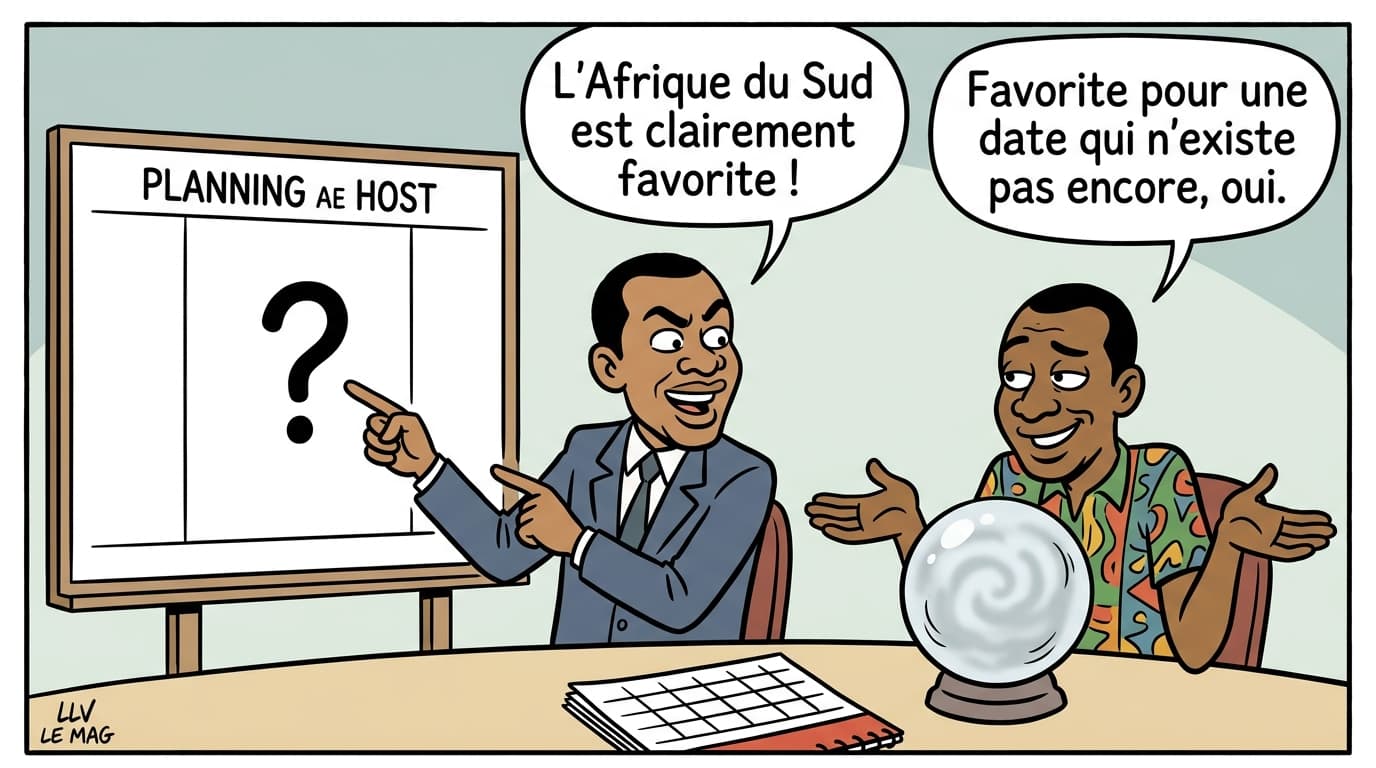
Cameroon clinched the 2026 Women's AFCON title by defeating Malawi 3-0 in the final in Rabat. However, CAF has not yet announced the date or host country for the next edition. While the tournament is expected to take place in 2028, this has not been officially confirmed. Morocco hosted the last three editions (2022, 2024, and 2026), but Fouzi Lekjaa, president of the Moroccan Football Federation, has stated that Morocco will no longer bid to host African competitions in the future. South Africa is now the favorite to organize the next Women's AFCON.
The uncertainty surrounding the next Women's AFCON reflects the structural challenges facing African women's football. Unlike the men's tournament, which enjoys far greater visibility and resources, the women's competition struggles to establish a stable calendar. The shift to a quadrennial cycle for the men's AFCON could paradoxically marginalize women's football further by reducing competitive opportunities for African teams.
Morocco's withdrawal as a potential host opens the door for other African nations. South Africa, which had previously expressed interest in replacing Morocco for the 2026 edition, emerges as the natural candidate. The country boasts strong infrastructure and proven experience in hosting major sporting events, such as the 2010 FIFA World Cup. However, CAF may also consider diversifying hosts to promote women's football in less-exposed regions.
For Cameroon, this historic title could serve as a springboard to strengthen the structure of its women's football. Yet, without a clear schedule for future competitions, the Lionesses may struggle to build on their success. The Cameroonian Football Federation will need to work closely with CAF to secure regular competitive opportunities.
On a continental level, the lack of clarity around the next Women's AFCON risks slowing investment in women's football. African federations, often constrained by budget limitations, may hesitate to allocate resources to a sport whose competitive future remains uncertain. CAF bears a major responsibility to clarify its plans swiftly and reassure stakeholders in women's football.
The 2026 Women's AFCON marked a milestone with Cameroon's victory but also highlighted the uncertainties clouding the tournament's future. As Morocco steps back from hosting, CAF must quickly decide on the next host and schedule. A clear and ambitious decision would send a strong signal for the development of women's football in Africa—a continent with immense potential but numerous challenges.