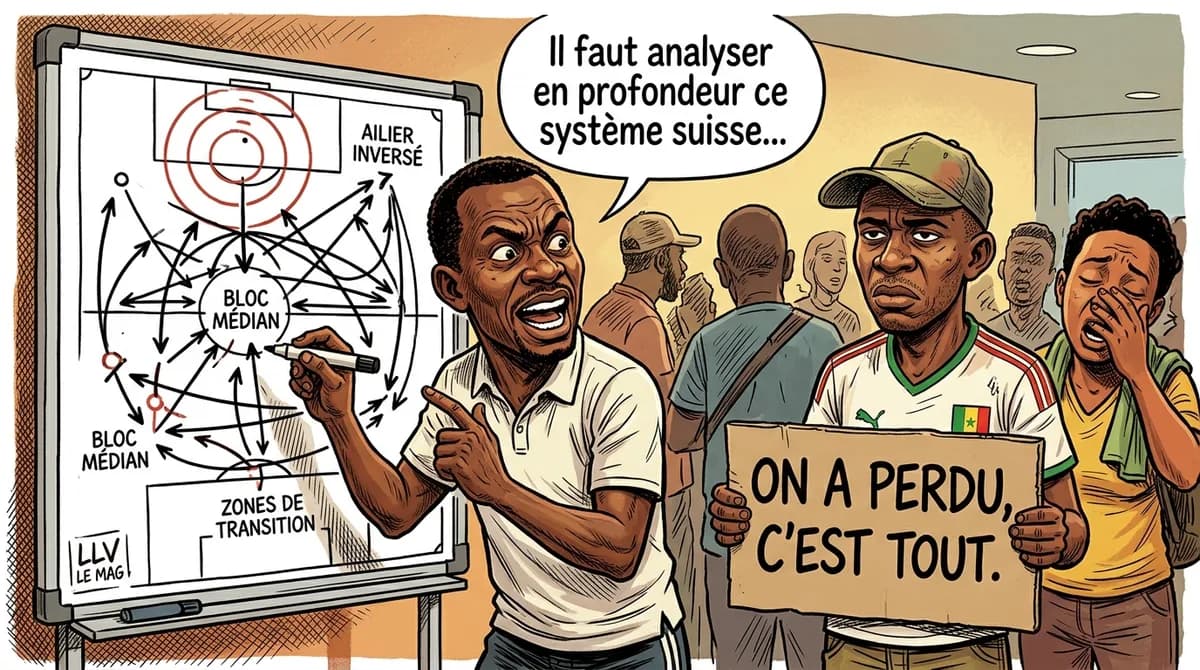
On July 3, 2026, Vancouver's stadium was the stage for a decisive World Cup clash: Switzerland beat Algeria 2‑0, securing a place in the round of 16. The final score reflected a clear gap between two playing philosophies.
The goals came early and early after the break. Breel Embolo opened the scoring in the tenth minute, followed by Dan Ndoye doubling the lead in the 46th, right after the restart. No further goals were scored, but the two strikes were enough to ensure Swiss qualification.
The Bosnian‑born, naturalised Swiss coach Vladimir Petković was on the bench for the Fennecs. Former coach of the Nati, he had taken Switzerland to the Euro 2021 quarter‑finals after eliminating France. His return to the Algerian staff raised hopes of a similar level, but the collective performance fell short.
The phrase “willing but never threatening” sums up Algeria’s dynamic: the team showed determination but lacked offensive creativity and defensive solidity. The absence of genuine danger in the opponent’s box allowed Switzerland to exploit the spaces, while the Swiss converted their chances efficiently.
For Cameroonian supporters and, more broadly, the continent, this result underlines the need to invest in training and tactics. Algeria’s defeat, far from being isolated, highlights the challenges African sides face against well‑organized European opponents. Cameroonian viewers, eager to see their neighbours improve, see this setback as a push to strengthen local academies.
Switzerland, meanwhile, confirms its status as a nation capable of competing with football’s global giants. Its smooth progression to the round of 16 bolsters the credibility of its development project, based on discovering young talent and strict tactical discipline. This success could inspire African federations to rethink their selection strategies.
As the tournament moves on, attention turns to the upcoming fixtures. The lessons from this match – the value of physical preparation, finishing precision and stress management – are benchmarks that Cameroon and other African nations can incorporate into their own journeys, turning willingness into a real threat on the world stage.