Cameroon's vibrant music scene is witnessing the rise of artists who are redefining African music. Among them, Asaba, hailing from Buea in the country's Southwest anglophone region, stands out with her unique take on Afrosoul. Her journey, marked by a bold career shift, exemplifies the ability of African youth to turn challenges into opportunities.
Afrosoul, a genre blending traditional African sounds with soul and jazz influences, is gaining traction across the continent. Asaba embodies this trend, infusing it with a militant edge through lyrics that tackle women's emancipation and the celebration of local cultures.
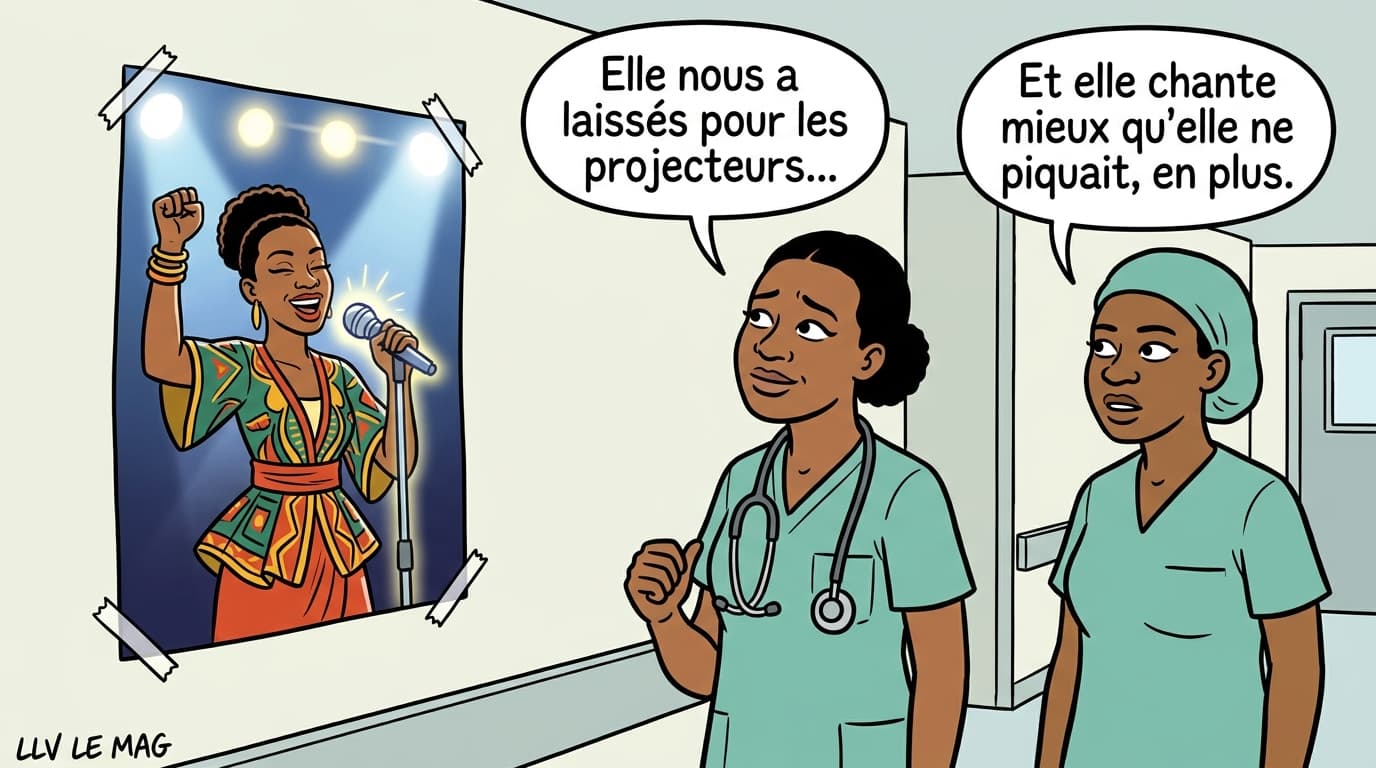
Born in Buea, a city in Cameroon's predominantly anglophone Southwest region, Asaba worked as a nurse before fully committing to music. She is a rising star of Afrosoul, a genre that merges African, soul, and jazz influences. Her lyrics are deeply engaged, focusing on themes such as women's empowerment and Cameroonian cultural identity. She recently participated in *Show Biz 101* in Lagos, where she was interviewed by RFI Musique. Her musical approach highlights the cultural diversity of Cameroon and Africa.
Asaba represents a new wave of African artists who refuse to be confined to a purely aesthetic role. Her journey from hospital wards to international stages reflects a generation striving to balance passion with activism. By choosing Afrosoul—a genre still overshadowed by the dominant afrobeats—she takes an artistic risk that could very well pay off.
Her commitment to women's empowerment is particularly significant in an African context where patriarchal norms often prevail. Through her lyrics, Asaba does more than entertain; she educates, challenges, and inspires. This activist dimension, combined with undeniable musical talent, sets her apart in a crowded music landscape.
Her choice of Lagos for the interview was no coincidence. The city, a cultural hub of West Africa, is a melting pot of musical influences from across the continent. By making her voice heard there, Asaba helps broaden the reach of Afrosoul and asserts Cameroon's place on Africa's musical stage.
For Cameroon, Asaba's emergence is an opportunity to strengthen its cultural soft power. Her success could inspire other local artists to explore less commercial but equally rich genres like Afrosoul. It could also draw attention to the country's anglophone music scene, often overshadowed by francophone productions.
On a continental scale, Asaba embodies a diverse and engaged Africa. Her journey serves as a reminder that African music extends beyond afrobeats, and artists like her can help diversify the continent's cultural offerings. If she breaks through internationally, she could pave the way for other African artists who refuse to conform to market expectations.
Asaba is more than a singer; she is a symbol of an Africa that reinvents itself, dares to challenge norms, and asserts its identity. Her journey, marked by boldness and commitment, shows that music can be a catalyst for social change. As she likely prepares new projects, one question remains: how far will her voice carry the message of a diverse and emancipated Africa?