
On June 17, 2026, the calm of the village of Baloum in Cameroon's West region was shattered by a double murder that stunned the community: two young men were beaten with stones and then set on fire in broad daylight, in front of their neighbours.
According to authorities, the victims were first pelted with stones before being set alight, a rare and particularly brutal act of violence that immediately sent shockwaves through the area. The tragedy, reported by the media, highlighted the vulnerability of rural communities to armed crime.
In the aftermath, the role of the village chief, a traditional authority figure, was called into question. Residents expressed bewilderment at a local official's involvement in such a bloody case, fueling rumors and demands for transparency.
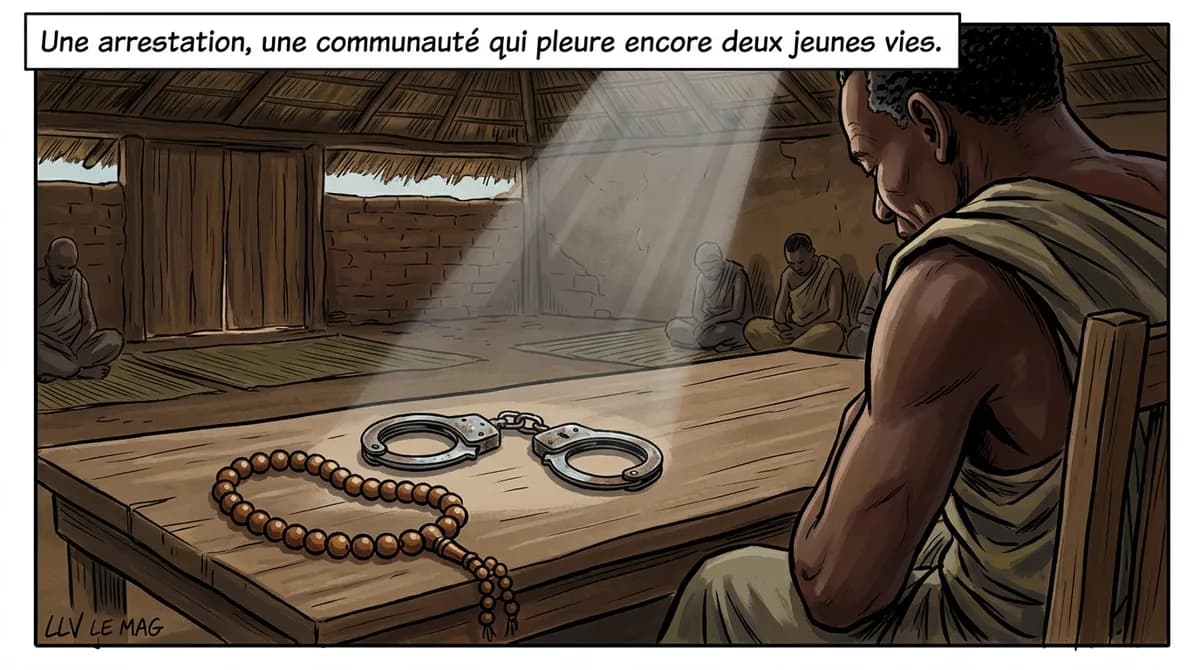
Jean Constant Noussi, the second‑degree chief of the Baloum grouping, was initially the subject of an active manhunt. After less than 48 hours on the run, he turned himself in to authorities on Wednesday, June 17, 2026, first appearing before the prosecutor in the city of Dschang, where charges were read to him.
He was then transferred to the gendarmerie in Bafoussam, the capital of the West region, and detained alongside three other suspects. All four are being investigated for their alleged participation in the incident that rocked Baloum, although inquiries are ongoing.
The arrest raises several issues for Cameroon. On one hand, it underscores the tension between customary structures and the national judicial system, reminding of the need for effective cooperation to restore public confidence. On the other hand, the swift apprehension of the village chief demonstrates law‑enforcement’s capacity to respond to public pressure, while leaving open questions about the extent of his involvement.
For the residents of Baloum and national observers, the investigation must clarify responsibilities to prevent customary justice from being perceived as impunity. Transparency in the judicial process, communication from authorities, and respect for the suspects' rights will be crucial to avert further violence and restore a sense of security in rural areas.