
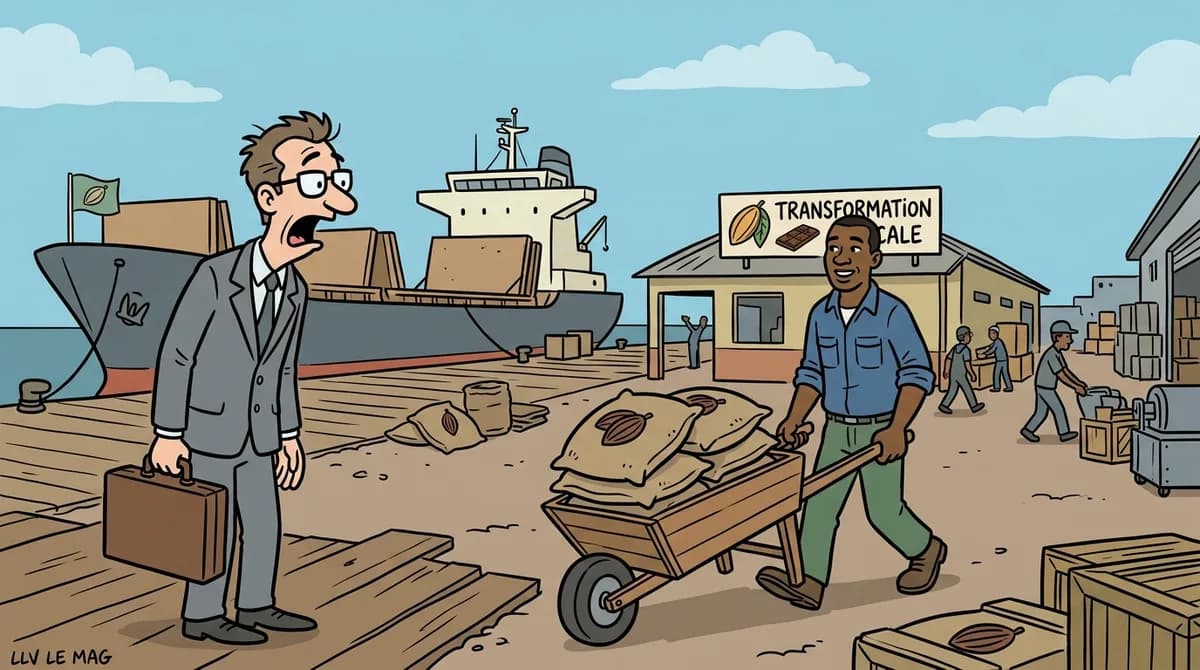
On July 13, 2026, the world's top four cocoa producers unveiled an ambitious plan that could reshape the African agro-industry: halting raw cocoa exports. Ivory Coast, Ghana, Nigeria, and Cameroon, pillars of the global market, have come together with a shared vision of creating a richer, more localized value chain.
During a joint conference, the agriculture ministers stated that the primary goal is to promote the development of a local processing industry. By stopping the export of raw cocoa beans, each country aims to stimulate the creation of roasting plants, chocolate manufacturing, and other derivative products, thereby capturing more added value within their territories.
These four nations represent approximately two-thirds of global cocoa production, according to official figures. This dominant share grants the alliance unprecedented negotiating power in international markets while highlighting the responsibility of these countries in stabilizing prices and securing supplies.
The alliance, dubbed the 'West and Central African Cocoa Alliance,' seeks to establish a framework for enhanced cooperation. It plans to implement common quality standards, share processing technologies, and create investment funds dedicated to modernizing treatment infrastructure. The pact also aims to harmonize tariff policies to avoid unfair competition among member states.
For Cameroon, where cocoa is a crucial source of income for thousands of farmers, this shift opens up new employment prospects. The construction of local factories could generate jobs in logistics, research and development, and marketing, while offering producers better prices for their beans, now destined for processing rather than raw export.
Regionally, the suspension of exports could lead to higher raw cocoa prices on global markets due to reduced supply. However, the creation of African finished products could offset this increase by opening up new markets, particularly among European and Asian consumers seeking products with high local content and certified traceability.
The coming months will be crucial: governments must define implementation timelines, secure necessary funding, and support farmers through the transition. If the alliance succeeds in realizing its ambitions, Africa could not only consolidate its position as the world's leading cocoa producer but also become a major player in agro-food processing, creating a sustainable economic dynamic for future generations.