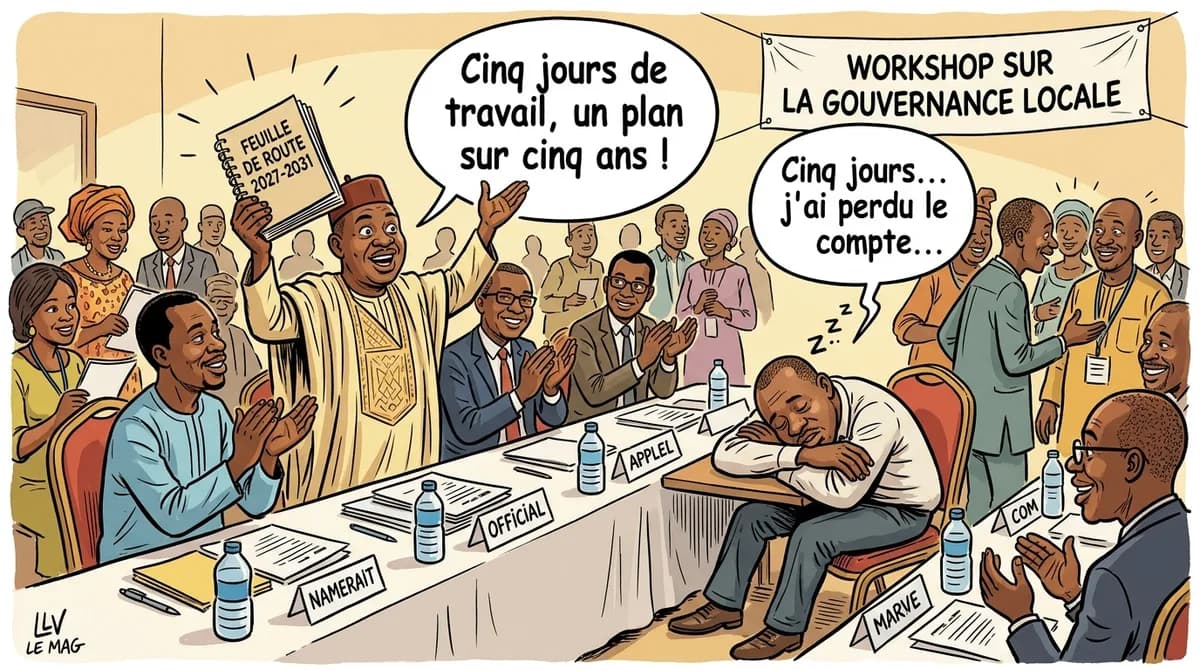
On June 24, 2026, Cameroon's Ministry of Public Health officially announced its intention to bolster the country's health security for the 2027‑2031 period. The initiative builds on a process that has been developed over several months, the most visible milestone being a five‑day workshop held at the International Conference Centre in Mbalmayo, which concluded on June 19. At the event, the government presented the main outlines of a forthcoming national action plan.
The workshop, which brought together more than a hundred participants, gathered agencies already involved in the ‘One Health’ approach, civil‑society representatives, and the ministry’s technical and financial partners. The agenda featured intensive working sessions on risk assessment, inter‑sectoral coordination and resource mobilization. The discussions produced a shared assessment of current health capacities and the gaps that need to be addressed.
The One Health approach, adopted in recent years, places human, animal and environmental health on an equal footing, acknowledging their interdependence. By mobilizing the ministries of Health, Agriculture and Environment together with research institutions, Cameroon aims to build a surveillance network capable of rapidly detecting zoonotic threats. Active involvement of civil society—particularly health NGOs and patient associations—provides the community dimension essential for the system’s success.
The need for such reinforcement is self‑evident. Recent decades have seen the emergence of infectious diseases—Ebola, COVID‑19, Lassa—that have strained African health systems. In Cameroon, cholera and yellow‑fever outbreaks have underscored the population’s vulnerability to pathogens that can cross borders. A robust health‑security plan therefore serves as the first line of defence against loss of life and economic fallout.
The forthcoming national action plan, to be finalised by year‑end, is expected to rest on several pillars: strengthening epidemiological surveillance, upgrading diagnostic laboratories, providing continuous training for health workers, and establishing a dedicated emergency‑response fund. Coordination among ministries will be overseen by a steering committee, while financial partners—international organisations, donors and the private sector—will be invited to back priority projects.
For Cameroonians, these measures will translate into a greater ability to contain outbreaks before they spread, shorter diagnostic waiting times and more equitable access to care. Moreover, the visibility of a reinforced state commitment should restore public confidence in health institutions—a key factor for encouraging vaccination and preventive behaviours.
The coming months will be critical: drafting the plan, securing its adoption by the cabinet and rolling out the first pilot actions. Success will hinge on sustained financing, transparent processes and the ability to incorporate feedback from local communities. If these conditions are met, Cameroon can not only protect its population but also become a regional model of health resilience.