
Eastern Cameroon, particularly the Lom-et-Djerem department, has long grappled with crime that disrupts the lives of local communities. In recent years, security forces have stepped up efforts to combat insecurity, especially in rural and border areas.
This operation comes as part of broader preparations for the 2026/2027 school year, a period when students and parents are particularly vulnerable to criminal activity. The national gendarmerie, through its deployed units, aims to ensure a safe environment for educational communities.
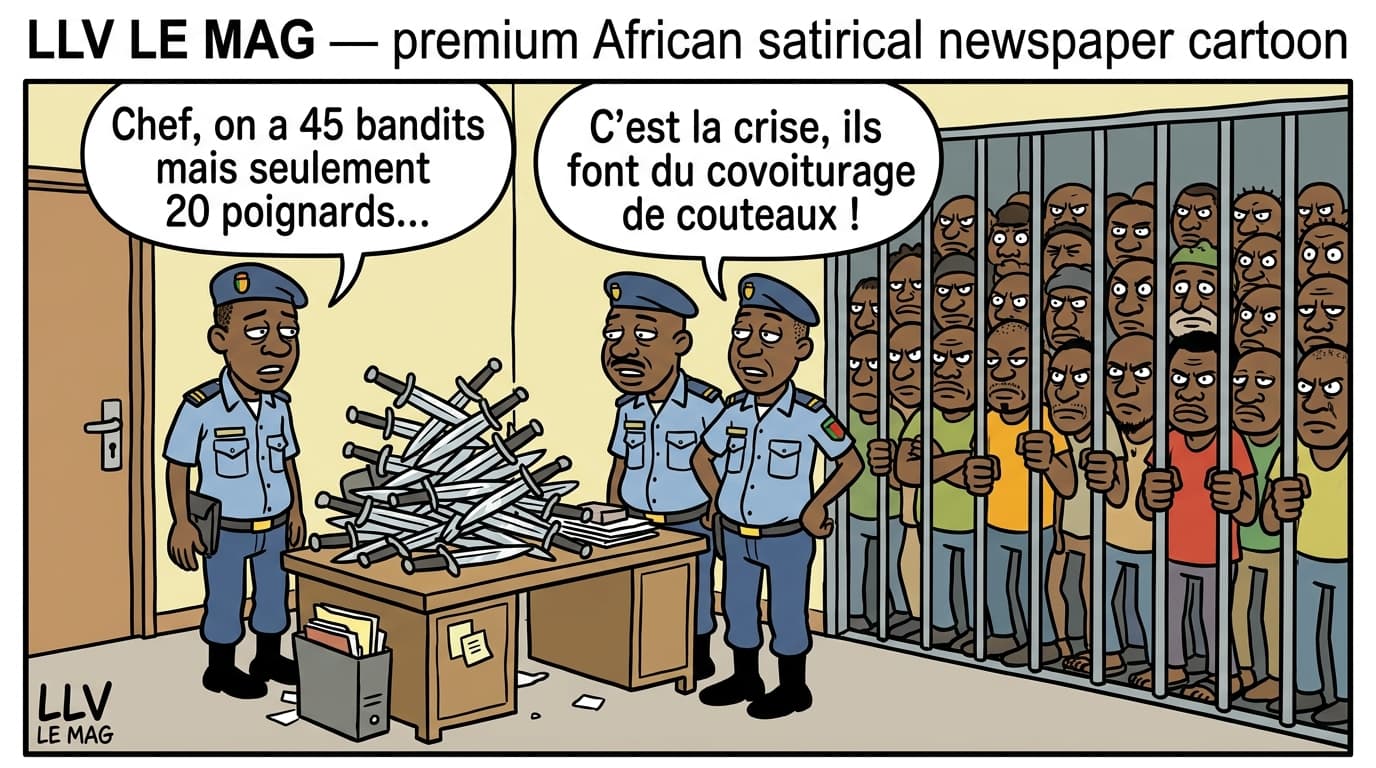
On August 15, 2026, 45 suspected criminals were arrested in Tongo Gandima, within the Ngoura district (Lom-et-Djerem department, Eastern Region). The operation, codenamed 'Tentacules,' was conducted by the Bertoua Gendarmerie Company. Authorities seized 20 daggers, two hunting rifles, a significant quantity of cannabis, prohibited medications (including Tramadol), six motorcycles of questionable origin, and 35 cartons of counterfeit whisky. The operation aims to reduce insecurity in the area ahead of the 2026/2027 school year, directly impacting the Ngoura district and surrounding communities.
This gendarmerie operation highlights the authorities' strengthened commitment to tackling insecurity in rural areas, which often receive less media attention but remain highly vulnerable. The timing of the intervention—just weeks before the school year begins—is no coincidence. It reflects a targeted prevention strategy designed to reassure parents and students.
The seized items—daggers, hunting rifles, and drugs—point to organized crime, likely tied to illicit trafficking networks. The presence of suspicious motorcycles and counterfeit whisky suggests cross-border activities, common in regions near international frontiers like eastern Cameroon. These findings underscore the need for regional cooperation to curb such phenomena.
Institutionally, this operation aligns with the national gendarmerie's core mission of protecting people and property. However, it also raises questions about the sustainability of such actions. Without complementary social and economic measures, local communities could relapse into insecurity once law enforcement withdraws.
In the short term, this operation is expected to reduce criminal activity in the Ngoura district, providing relief to local residents. Students, teachers, and parents can approach the 2026/2027 school year in a more secure environment, which is vital for educational success in the region.
In the long run, this intervention could serve as a model for other areas in Cameroon facing similar challenges. However, for lasting results, military operations must be paired with social initiatives, such as job creation for youth—who are often recruited by criminal networks due to a lack of economic alternatives.
The arrest of 45 suspected criminals in Tongo Gandima marks a significant step in the fight against insecurity in eastern Cameroon. While this operation is a victory for law enforcement and local communities, it also highlights the urgent need to strengthen social and economic policies to address the root causes of crime in the region.