Launched in 2006, Operation Hawk aimed to combat corruption and the embezzlement of public funds in Cameroon. The crackdown led to the arrest of several high-ranking officials, including Gérard Emmanuel Ondo Ndongo, then Director-General of the Special Fund for Intercommunal Equipment and Intervention (FEICOM).
Though praised for its ambition, the operation has frequently been criticized for its lack of transparency and heavy-handed methods. The fluctuating sentences—sometimes reduced or increased on appeal—have raised concerns about the fairness of Cameroon’s judicial system.
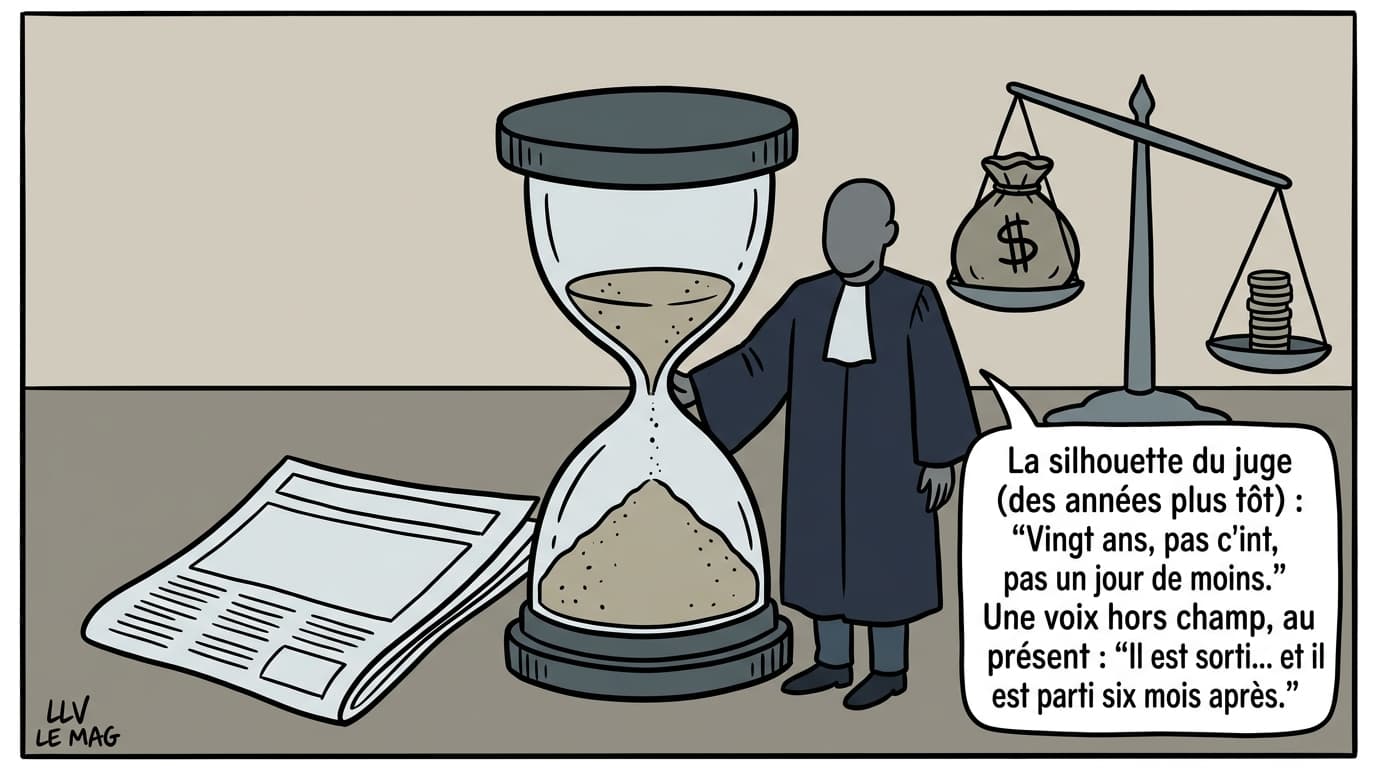
Gérard Emmanuel Ondo Ndongo was arrested in February 2006 under Operation Hawk for embezzling 36 billion FCFA (approximately $60 million). Initially sentenced to 50 years in prison, his term was later reduced to 20 years on appeal before being increased to 30 years by the Supreme Court. He was released on February 21, 2026, after serving 20 years. His assets were seized and auctioned by the Debt Recovery Agency to reimburse the embezzled state funds. He died on August 17, 2026, six months after his release, from illnesses contracted in prison.
The death of Gérard Emmanuel Ondo Ndongo underscores the contradictions of Operation Hawk, an anti-corruption campaign that has left a deep mark on Cameroon’s political landscape. While the operation succeeded in recovering embezzled funds, it was also seen as a tool for political regulation, often targeting figures close to power.
The fluctuations in his sentence—from 50 years to 20, then back up to 30—highlight the dysfunctions in Cameroon’s judicial system, where court decisions sometimes appear to be influenced by political considerations. This case also raises questions about prison conditions in Cameroon, where inmates are frequently exposed to disease and inhumane treatment.
For Africa, this case serves as a reminder of the need to strengthen judicial institutions to ensure fair and transparent trials. The fight against corruption must not become a witch hunt but should instead operate within a strict legal framework that respects human rights.
The passing of Gérard Emmanuel Ondo Ndongo may reignite debates about reforming Operation Hawk and, more broadly, the need to modernize Cameroon’s judicial system. Families of detainees and human rights organizations could seize this moment to demand improvements in prison conditions.
Politically, this case might push Cameroonian authorities to adopt more transparent measures in the fight against corruption to prevent similar cases in the future. For Africa, it could serve as an example to promote judicial reforms that are fairer and more respectful of fundamental rights.
Gérard Emmanuel Ondo Ndongo’s death carries the scars of a two-tiered Cameroonian justice system. His passing, just six months after his release, is a stark reminder that the fight against corruption must not come at the expense of human rights. For Cameroon and Africa, this case should serve as a lesson in building more just and transparent institutions.