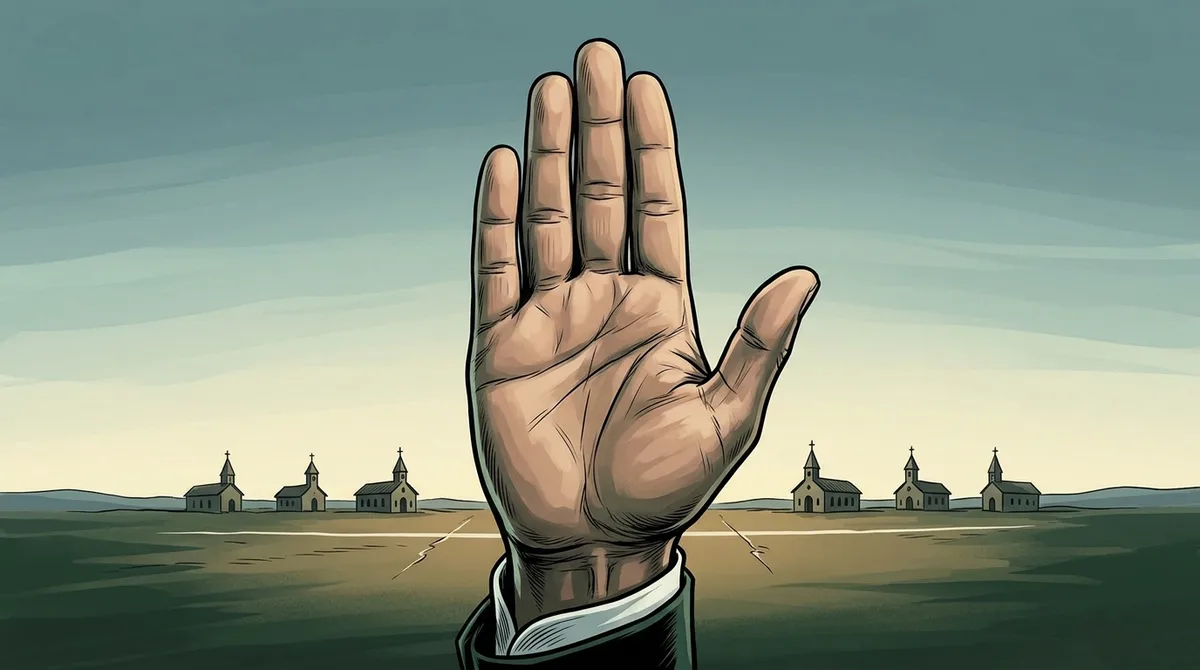
On July 9, 2026, Territorial Administration Minister Paul Atanga Nji addressed the national radio to deliver a firm message to several churches across the country. He reminded that places of worship must not become hotbeds of deviance that distract citizens from their civic duties, endanger lives, and defy state authority.
According to the minister, certain religious practices encourage criminal activity, fuel murder accusations, and give rise to uncivil behaviour. "There are practices we can no longer accept," he said, emphasizing that these deviations split families, households and communities, and undermine the social fabric the government strives to protect.
The warning comes against a backdrop where trust between public institutions and religious organisations has at times been severely strained. The minister recalled that the Cameroonian Constitution obliges every citizen to respect the law, and that religious institutions, as influential actors, have a responsibility to contribute to national stability rather than compromise it.
The minister’s admonition rests on the mandate of the Territorial Administration Ministry, which oversees good governance of local authorities and public safety. Should the alleged behaviours persist, territorial authorities have legal tools – including suspension of public‑space permits and seizure of assets – to protect the population.
For believers, the risk is twofold. On one hand, participation in activities deemed illegal exposes individuals to criminal prosecution; on the other, the spread of rumors of violence or murder creates a climate of fear that fragments family and community ties. The minister therefore called on pastors and leaders to enforce strict internal controls so that their congregations do not become training grounds for crime.
This stance opens the door to a more structured dialogue between the state and religious bodies. The minister proposed the creation of a monitoring committee composed of government representatives, civil society and major denominations, to assess contentious practices and define clear guidelines. Such an initiative could reconcile freedom of worship with security requirements.
Ultimately, Paul Atanga Nji’s warning underscores that faith, when misused, can become a vector of division rather than cohesion. Cameroon’s challenge will be to turn this caution into constructive cooperation, with churches acting as peacekeepers and authorities ensuring that deviant practices are eradicated before they threaten the country’s stability.