
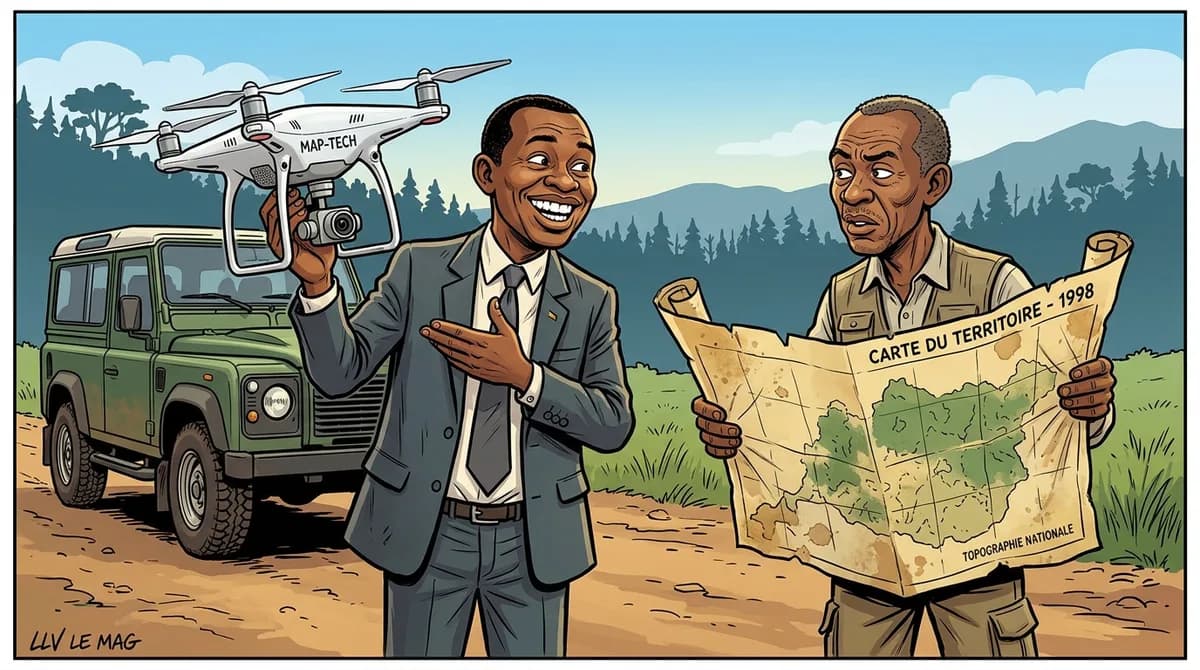
On July 8, 2026, Cameroonian authorities announced the restart of a major project: a comprehensive inventory of the country's forest heritage. The nation, which hosts the second‑largest forest mass in the Congo Basin after the Democratic Republic of Congo, stands at the crossroads of climate and economic challenges. The initiative comes as pressure on natural resources intensifies and international carbon commitments become financing levers.
About twenty years ago, Cameroon carried out its first forest mapping. The data collected then, while valuable, are now outdated. Forests have changed, species have shifted, and exploitation practices have evolved. Re‑doing the inventory will provide a current picture essential for planning sustainable management and avoiding the costly miscalculations that have plagued other African countries.
The main objective is twofold. First, it aims to quantify timber resources, both in volume and species diversity, to optimise the forest sector without depleting reserves. Second, the census must deliver up‑to‑date information on wildlife, biodiversity and the forests' carbon‑sequestration capacity. These metrics are crucial for measuring the country's environmental impact and for valuing carbon sinks under international offset mechanisms.
This information is more than technical data; it becomes a bargaining chip with donors. With reliable figures, Cameroon can argue more convincingly in climate‑finance talks, REDD+ projects and private investments in responsible forestry. Data transparency boosts the country's credibility on the world stage.
"We need to know precisely the quantity and variety of timber, as well as our forests' carbon‑absorption capacity, to negotiate with international partners on solid grounds," said Georges Mouncharou, director of cooperation and programming. His comment underscores the strategic stakes: the inventory is not an end in itself, but the foundation of a forest policy that blends environmental protection with economic development.
For Cameroonians, updating the inventory translates into tangible benefits. Better knowledge of forest resources paves the way for controlled exploitation that can create local jobs while preserving ecosystems. Communities living near forests will benefit from more equitable management, thanks to biodiversity‑monitoring programmes that incorporate their traditional knowledge. Moreover, once carbon‑storage figures are quantified, they can feed carbon‑offset projects, generating additional revenue for the state.
The future of the initiative hinges on mobilising technical and financial resources. The government plans to work with scientific institutions, NGOs and international partners to carry out the census. Results, expected by the end of the year, will be published in a detailed report that will serve as a reference for medium‑term forest policies. In the meantime, Cameroon positions itself as a key player in the Congo Basin, ready to turn its natural capital into a sustainable asset for development.