On June 27, 2026, Cameroon is gearing up to send its Indomitable Lionesses to the 2026 Women’s Africa Cup of Nations, scheduled from July 25 to August 16 in Morocco. The deadline, officially announced by the federation, marks the return of a national side determined to break a long spell without continental titles.
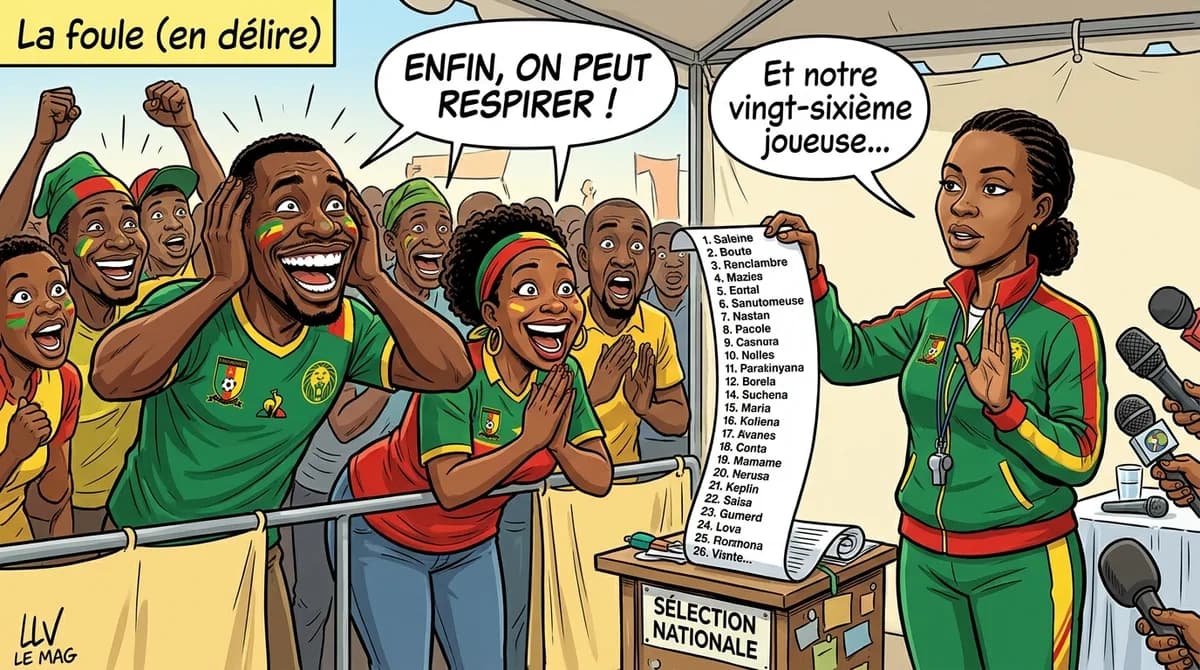
After more than a week of intensive training camp, coach Nguele Valentine has revealed the final composition of her squad. The decision, taken after a rigorous preparation period, reflects both the depth of the local talent pool and the desire to blend experience with youth to take on the continent’s best teams.
In total, 26 Indomitable Lionesses have been selected. The roster includes three goalkeepers, nine defenders, seven midfielders and seven forwards. Among the most frequently mentioned names are Katy Bia, Colette Ndzana, Charlène Meyong, Monique Ngock, Raissa Mbappé, Naomi Eto, Bella Rose, Abam Michelle and the formidable Gabrielle Aboudi Onguéné. These players, already accustomed to international competition, bear the responsibility of writing a new chapter in Cameroonian women’s football.
The Women’s AFCON has long eluded the Lionesses, the trophy remaining out of reach for several editions. This prolonged absence has limited the visibility of women’s sport in the country, hampering investment and grassroots development initiatives. Their return to the competition is therefore not only a sporting challenge but also a lever of recognition for young girls dreaming of playing on the continent’s pitches.
From a societal perspective, Cameroon’s participation in the tournament promises to boost popular enthusiasm and attract sponsors eager to associate their brands with an inclusive dynamic. Local media, already attentive, will be able to broadcast inspiring stories, while training clubs stand to benefit from renewed interest that could translate into more resources and development programmes for young talent.
Nevertheless, the Lionesses will have to face seasoned opponents, including host nation Morocco and traditional powerhouses such as Nigeria or Ghana. Physical preparation, tactical cohesion and stress management will be essential. The tournament’s tight schedule, with high‑intensity matches, will require careful squad rotation to avoid injuries and maintain peak performance.
The coming months will be decisive. Cameroon is counting on the support of its fans, both at home and abroad, to create an atmosphere conducive to victory. If the Lionesses exceed expectations, they could not only bring home the coveted trophy but also pave the way for a new era of women’s football in Francophone Africa.