
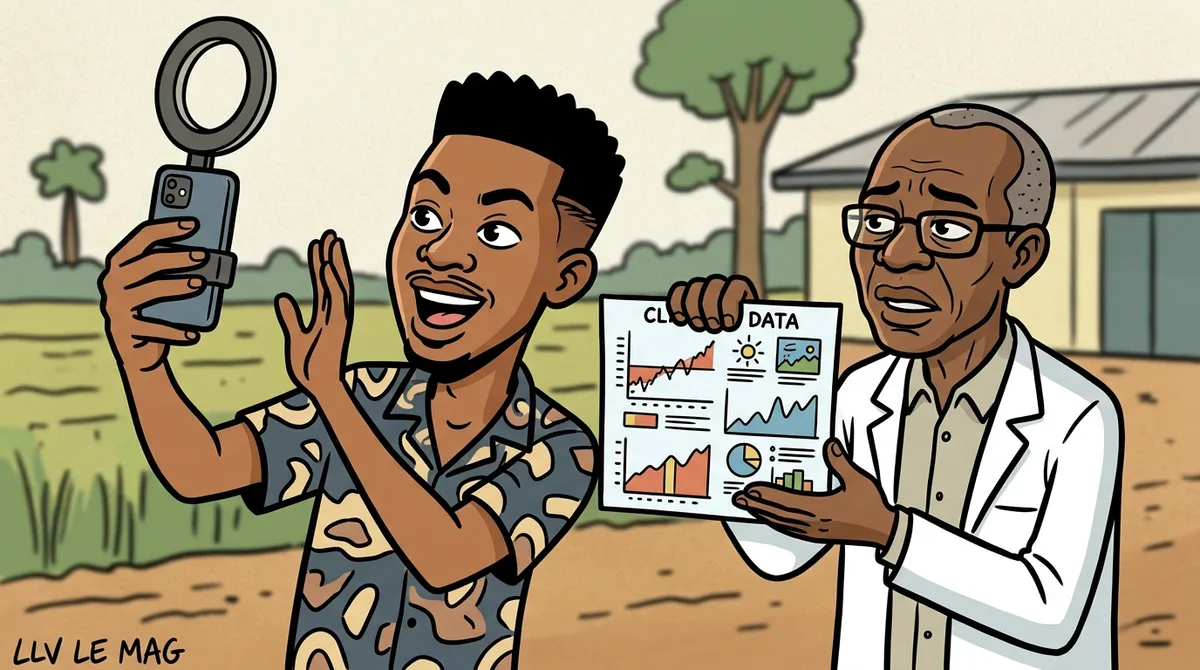
On July 10, 2026, the Cameroon Bloggers Summit gave a platform to the National Observatory on Climate Change (ONACC). At the heart of the event, digital actors heard a clear call: make climate data accessible to protect public health.
In front of an audience of content creators, journalists and local officials, ONACC advocated for more effective dissemination of climate information. According to the institution, knowledge of temperature variations, precipitation and drought episodes is now a key pillar of health prevention.
Why the emphasis? The link between climate and health is no longer theoretical. Prolonged heat waves exacerbate cardiovascular disease, while intense rains facilitate the spread of malaria and dengue. In Central Africa, where health systems are already under strain, each precise data point can make the difference between an early warning and a health crisis.
Content creators, with their ability to reach millions of internet users, are the new information relays. Bloggers, influencers and videographers can turn raw numbers into vivid stories, explaining how a temperature spike affects workers in the Benue region or how rising river levels threaten riverside communities in the West.
However, dissemination does not come without obstacles. Lack of access to up-to-date databases, public mistrust of official sources, and the fragmentation of digital platforms complicate the task. ONACC therefore proposed partnerships between scientific institutions, ministries and influencers to create verified content tailored to local realities.
If these collaborations materialize, the benefits will be multiple: better preparation of farmers for droughts, reduced hospitalizations related to vector‑borne diseases, and increased awareness among youth about climate issues. Ultimately, the health of Cameroonians can rely on reliable and immediate information.
The future is being written today. ONACC invites creators to equip themselves with climate‑monitoring tools, co‑produce prevention campaigns and place health at the heart of their messages. The challenge is great, but digital mobilization offers a unique chance to turn climate into an ally of public health.