This morning, football fans across the country woke up to news that disrupts the 2026 Cameroon Cup picture: several clubs have officially announced their withdrawal from the tournament. The information, reported by Camfoot, comes at a time when preparations were in full swing and supporters were already awaiting the first fixtures.
The Cameroon Cup, the flagship of national football, brings together each year about thirty teams from the MTN Elite One, regional leagues and even amateur divisions. The draw, scheduled for the end of July, was meant to give each club a chance to face the championship giants and create the magic of 'cup upsets'. Beyond sport, the competition fuels local economies and unites communities under a common banner.
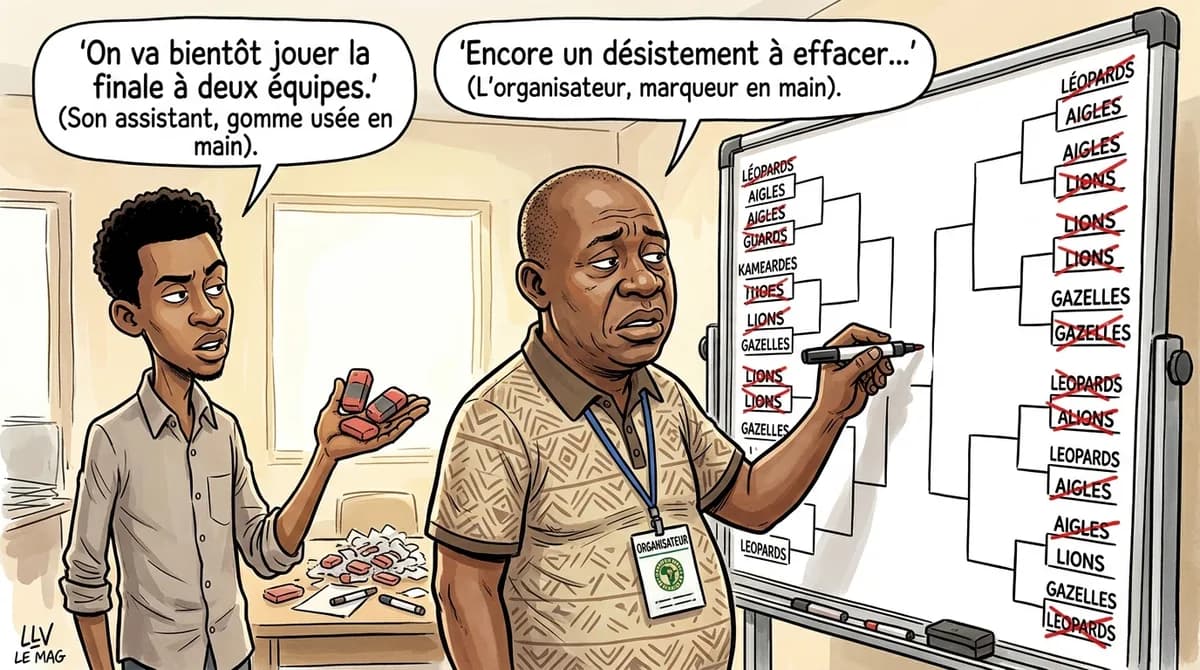
According to Daniel Mbopda's article published on July 7, 2026 on Camfoot, 'teams are withdrawing.' The article cites the clubs of Ngoketunjia, Racing de Bafoussam and Sahel de Maroua, suggesting that one or more of them are among the withdrawals. No official statement has yet confirmed the exact list, but the warning is clear: the original tournament bracket will have to be revised.
The reasons for these withdrawals remain to be clarified, but Cameroonian football analysts often point to persistent financial difficulties, rising travel costs and uncertainty over ticket revenue. In a context where sponsors struggle to provide stable funding, some clubs prefer to withdraw rather than embark on an expensive campaign with uncertain outcomes.
The immediate impact is already being felt on the schedule. The draw will have to be reconstituted, which could create imbalances in the geographic groups and reduce the number of planned matches. For supporters, this means fewer local games, fewer festive moments and, ultimately, reduced visibility for small towns that rely on the football windfall to boost their businesses.
The municipalities that were set to host these clubs' matches now face an economic void. Restaurants, street vendors and transport operators who counted on supporter traffic see their forecasts collapse. In the affected regions, the loss of a cup match translates into a loss of several thousand CFA francs in direct commercial activity.
The Cameroonian Football Federation (FECAFOOT) has not yet issued an official response. The silence raises questions: will the federation propose support measures, such as travel subsidies, or consider reintegrating other teams to fill the gaps? The coming days will be decisive for the tournament's credibility.
What is certain is that the 2026 Cameroon Cup remains an ambitious project, offering hope to young talents and supporters alike. While the withdrawals may signal a broader malaise, they also provide an opportunity to rethink the local football economic model, to establish solidarity mechanisms among clubs and to secure private investment.
While awaiting official answers, enthusiasts are urged to closely monitor the draw's developments and to support the teams that remain in contention. Cameroonian football has always risen above challenges; this edition could well become the catalyst for lasting reform, both for clubs and for the communities that pulse with the rhythm of the ball.