
On July 6, 2026, the 2026 World Cup – co‑hosted by the United States, Canada and Mexico – offered observers an unexpected scene: seven of the nine African nations advanced to the round of 16. This figure, never reached since the tournament began, sparked a heated debate across the continent, with media and fans measuring every step as a barometer of progress.
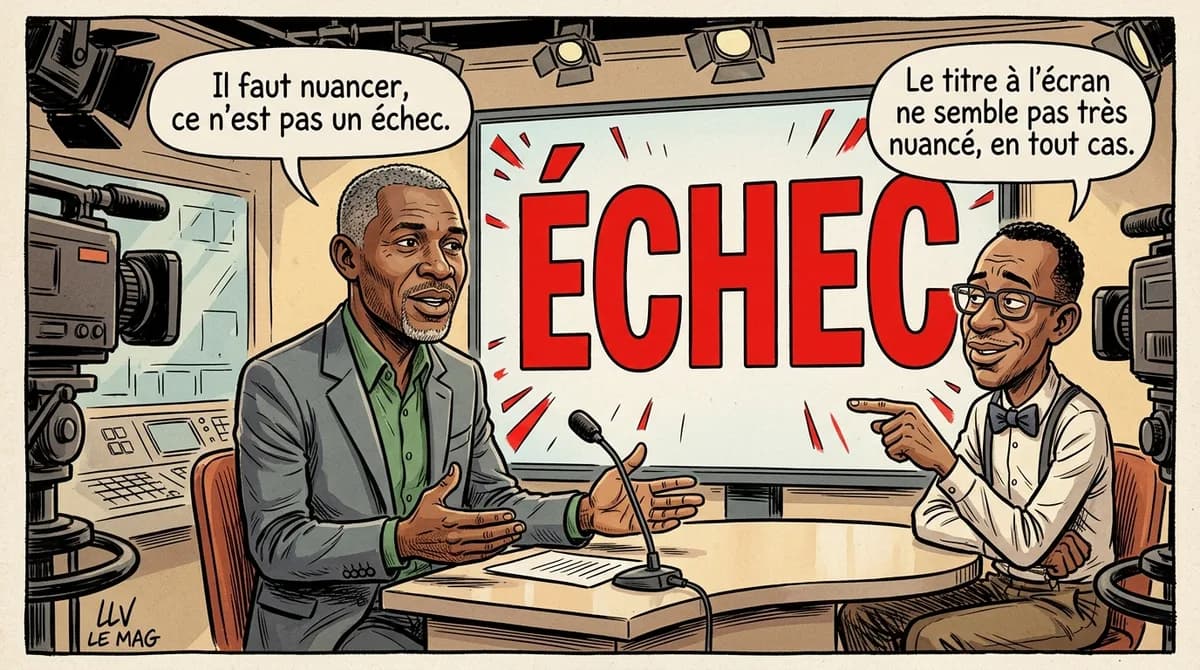
Amid this atmosphere of anticipation, Karl Toko Ekambi, former Cameroon international and respected figure in African football, broke his silence. Refusing to speak of failure, he said the record should be "analyzed with more perspective". His comments, relayed by the website Afrik‑Foot, were framed as a defence against what he calls "unsatisfied thirds".
"We are unsatisfied thirds," he asserted, emphasizing that the criticism is disproportionate given the context. Before the tournament, few observers imagined seeing so many African nations pass the round of 32. For Toko Ekambi, the very surprise of reaching the knockout stage already constitutes a symbolic victory, beyond the immediate results.
Critics, often from the international press, point to the lack of consistency and the difficulty of progressing beyond the round of 16. But the former striker reminds that each team had to juggle logistical constraints, limited infrastructure and grueling qualification calendars. Simply reaching the final tournament, he argues, is a giant leap for African football, which has been built over decades under financial and structural imbalances.
This perspective invites a rethink of how success is measured. Instead of counting quarter‑final appearances, he suggests evaluating the development of young talent, the increased visibility of local leagues and the impact on young supporters. The continent, which saw its first African participation in 1934, can no longer settle for a narrow view focused on early eliminations.
For Cameroonian supporters, Toko Ekambi's message resonates as a call for patience and confidence. Cameroon, one of the two teams that did not advance, can draw lessons from its neighbours to prepare for upcoming challenges, notably AFCON 2027. The shared sentiment is that every experience, even a partial one, enriches the national pool and fuels future ambitions.
Ultimately, the debate surrounding African football is not reduced to a number of eliminations. It is a reflection on the continent's ability to project itself on the world stage, to mobilise the necessary resources and to create an environment conducive to the emergence of talent. The coming months, marked by the AFCON 2027 qualifiers, will be the decisive test to turn "unsatisfied thirds" into a lasting momentum.