
On June 23, 2026, the residents of Darak, a small community in Cameroon’s far north, live under the shadow of a threat that is steadily intensifying. Situated at the crossroads of the Nigerian and Chadian borders, the area has become for several months the stage for jihadist pressure backed by the Islamic State in West Africa (ISWAP).
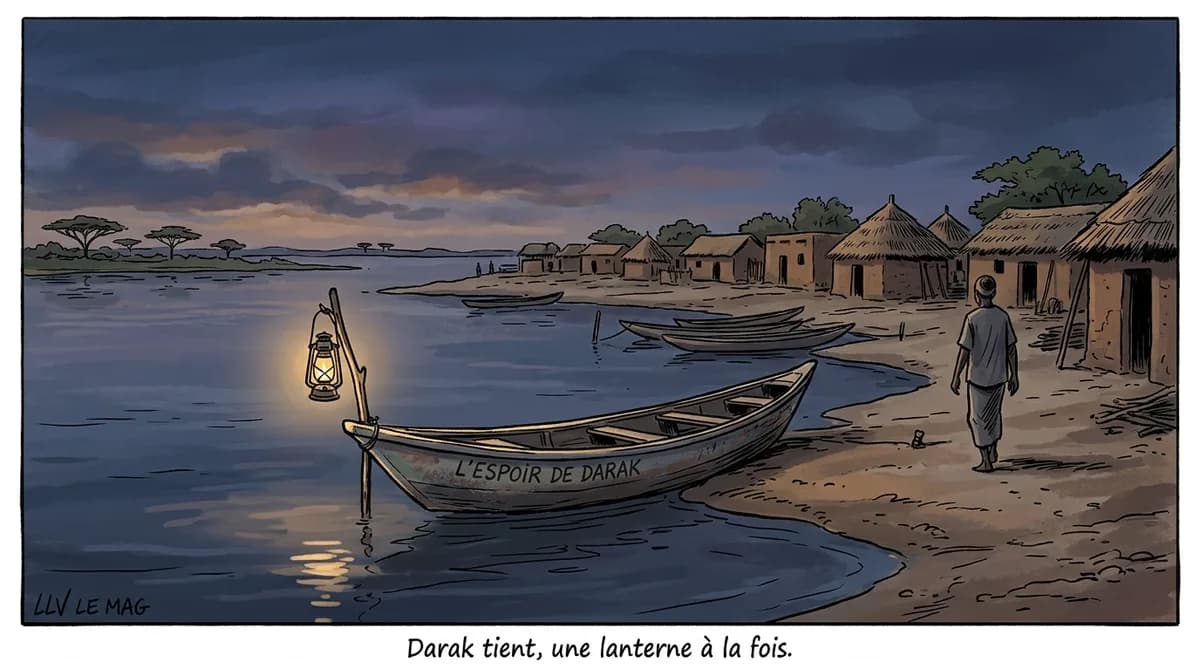
Darak is not an ordinary town; it is a cluster of islands scattered across Lake Chad, reachable only by fragile boats. This geography makes the region hard to access for both authorities and humanitarian organisations, and it provides fertile ground for armed incursions and illicit activities.
ISWAP has adopted a two‑pronged strategy: on one hand it seizes local markets and fishermen to impose extortion, and on the other it spreads propaganda hostile to the Cameroonian state. The group even claims the goal of driving out administrative and military authorities in order to annex the commune, a plan that fuels fear among the local population.
On February 5, 2026, ISWAP militants attacked Darak’s town hall and the livestock delegation, despite the presence of Cameroonian troops. No civilians were killed, but the assault forced roughly 2,000 people to flee the islands in search of safety elsewhere in the country.
The displacement wave has immediate repercussions on daily life. Markets, already weakened by insecurity, see traders forced to pay ransoms to continue operating. Fishermen, the community’s economic backbone, bear a double burden of attack risk and loss of catches, threatening the region’s food security.
For Cameroon, Darak’s situation is a warning sign. ISWAP’s persistence in the Lake Chad basin demonstrates that the country’s borders remain porous, facilitating the flow of weapons and fighters. The group’s ability to threaten state structures points to a weakness in security presence, which could encourage other groups to replicate the same pattern in frontier zones.
Cameroonian authorities and their regional partners will need to deepen cross‑border cooperation, improve the logistics of the armed forces, and support displaced populations with targeted humanitarian aid. Without a coordinated response, jihadist pressure could spread, turning other isolated communes into hotspots of instability.