
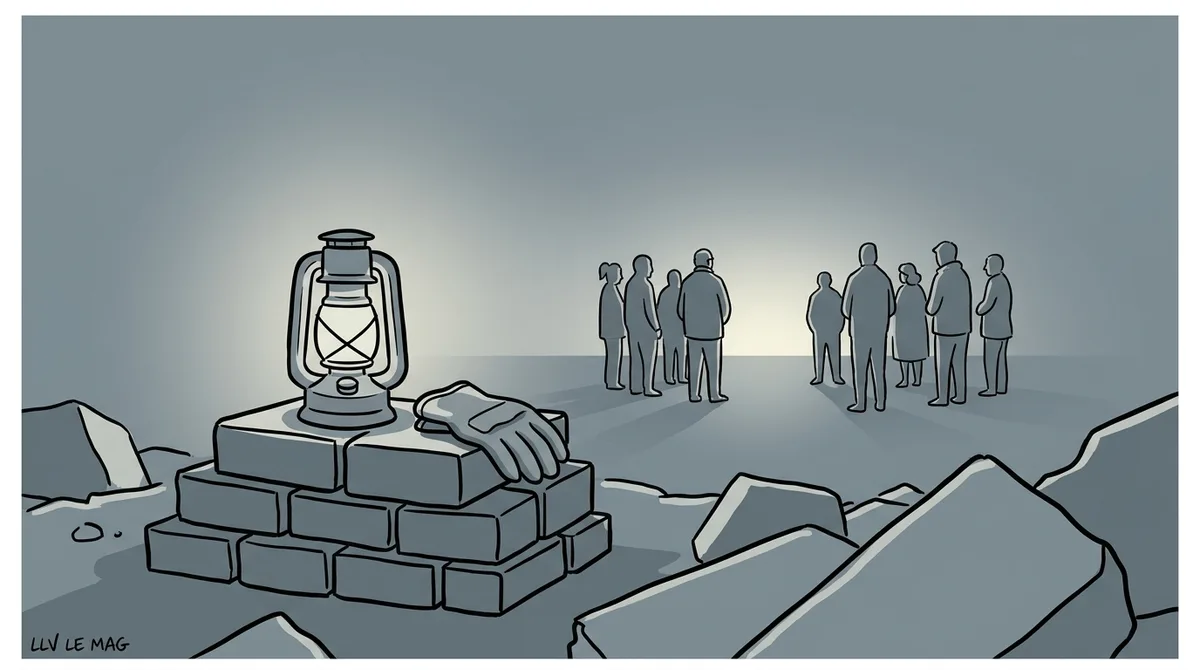
In the heart of Douala V district, the night of July 10‑11, 2026, the usual street silence was shattered by the crash of a building that collapsed, taking six lives. In a city of more than three million inhabitants, each urban tragedy reminds us of the precariousness that hangs over many informal neighborhoods. This disaster, which occurred behind the Saint James Hotel in Bonamoussadi, adds to a series of incidents linked to building decay.
The two‑storey building, once intended to house families, had long been abandoned and severely deteriorated. In the darkness, the walls gave way, sending a cloud of dust over neighboring homes and striking terror in residents. Witnesses described a low rumble followed by a loud crack before the structure collapsed into a heap of concrete and debris, trapping those who had taken refuge inside.
A provisional report from the Douala city hall indicated that five bodies were initially recovered – three children, two of them under ten, and two adults – before rescue teams discovered a sixth body, bringing the death toll to six. At the same time, six people were rescued, still in shock, while two others remain buried, their families desperately awaiting news. Rescuers, equipped with search dogs and thermal cameras, continue the search, aware that every minute counts.
Local authorities had already classified the building as at risk of collapse. Despite the official evacuation of former occupants, the site continued to shelter families from northern Cameroon and street youths, the “Nanga Mboko,” who found a makeshift shelter there. According to several testimonies gathered on site, the unfinished structure, lacking basic infrastructure, had become a gathering point for those with nowhere else to go, highlighting the housing crisis afflicting the metropolis.
The tragedy exposes the flaws of an urban planning system struggling to keep pace with Douala’s demographic explosion. Pressure on the housing market pushes more households to occupy dilapidated structures, often without permits and without technical inspection. The absence of relocation programmes, combined with insufficient municipal oversight, creates fertile ground for disasters. A lack of funding for the renovation of informal districts deepens the sense of abandonment among the most vulnerable populations.
For the residents of Bonamoussadi, the loss of loved ones and the fear of another collapse fuel growing anxiety. Civil‑society organisations, neighbourhood associations and religious leaders have already called for stricter inspections, the securing of at‑risk buildings and the provision of decent housing solutions. They also demand better coordination between municipal services, police and NGOs to prevent future tragedies.
As rescue teams continue their search, the nation must turn this tragedy into a decisive turning point. Strengthening urban governance, investing in the renovation of informal districts and ensuring that no more lives are sacrificed on the altar of indifference are imperative. This dark July night should become the catalyst for an ambitious prevention policy, so that every Cameroonian can live safely, away from the rubble.