
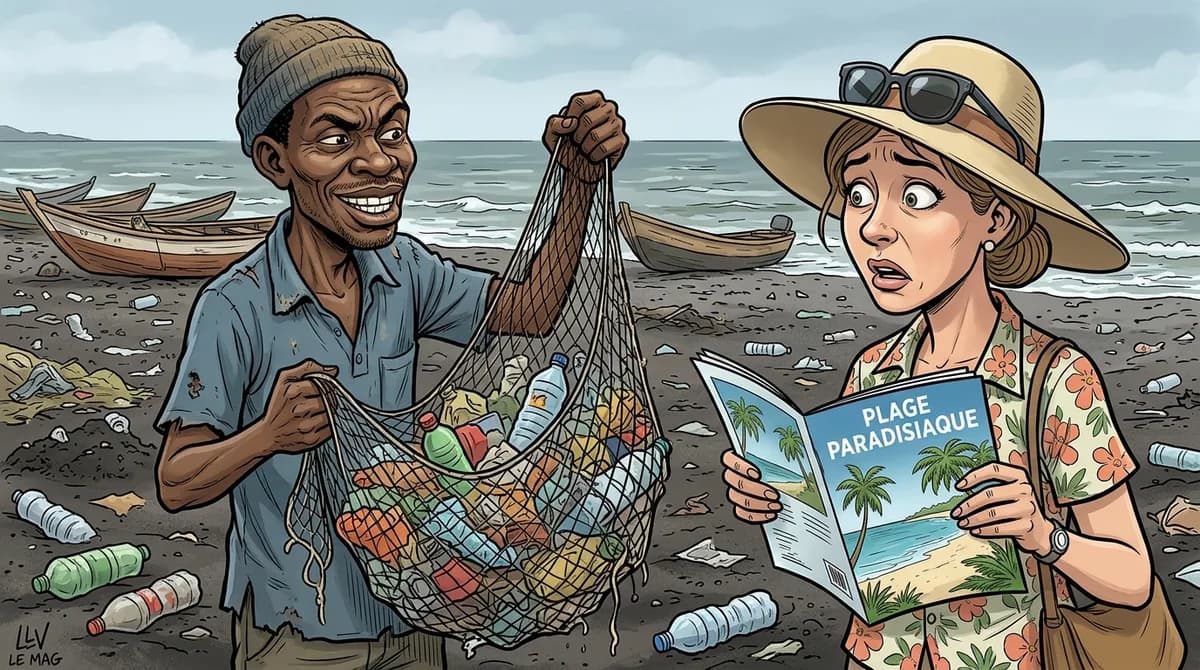
Limbé, a coastal town in Cameroon's Northwest region, is watching its natural landmark, Down Beach, lose its luster. Once famed for its volcanic sand and clear waters, the beach is now buried under tons of waste—a scene that deteriorates each year, residents say.
The sand, once golden, is now hidden beneath piles of plastic, cardboard and assorted debris. Waves that once lapped the shore now haul in more rubbish, creating a spiral where each swell seems to lay down another layer of pollution. The phenomenon, described as “a slow agony,” is worsening with the seasons.
Local fishermen, who earn their living from the bay's waters, warn of a direct impact on their nets and catches. Restaurateurs, meanwhile, see patrons deterred by the sight of trash littering the promenade. On‑the‑ground environmental activists label the situation an ecological emergency, reminding that the town’s economic health hinges on preserving its coastline.
The buildup stems from a glaring lack of waste‑management infrastructure. Municipal services struggle to provide regular collection, while informal dump sites sprout along the coastal strip. The absence of sorting points and public awareness leads to households and businesses discarding waste straight onto the beach, worsening the problem with every tide.
The effects are already evident: marine biodiversity is declining, coral reefs are eroding and water quality is deteriorating, endangering fish stocks that communities rely on. Healthwise, the presence of plastics and decomposing organic matter exposes swimmers to infection risks. Tourism, a pillar of the local economy, is seeing visitor numbers fall as travelers opt for cleaner coasts.
In response, several avenues of action are emerging. Local associations are organizing clean‑up days, mobilising volunteers and students. The regional government could bolster collection programmes, install appropriate bins and fund recycling projects. Cooperation with international NGOs could introduce waste‑valorisation solutions while launching environmental education campaigns in schools.
The future of Down Beach now hinges on the community’s ability to mobilise and on political responses. Saving the shoreline means preserving a natural heritage, protecting fishermen’s livelihoods and ensuring sustainable tourism. The challenge is great, but the resolve of local actors offers a glimpse of a beach revival—provided every stakeholder, from citizen to decision‑maker, takes part in reclaiming the sand.