
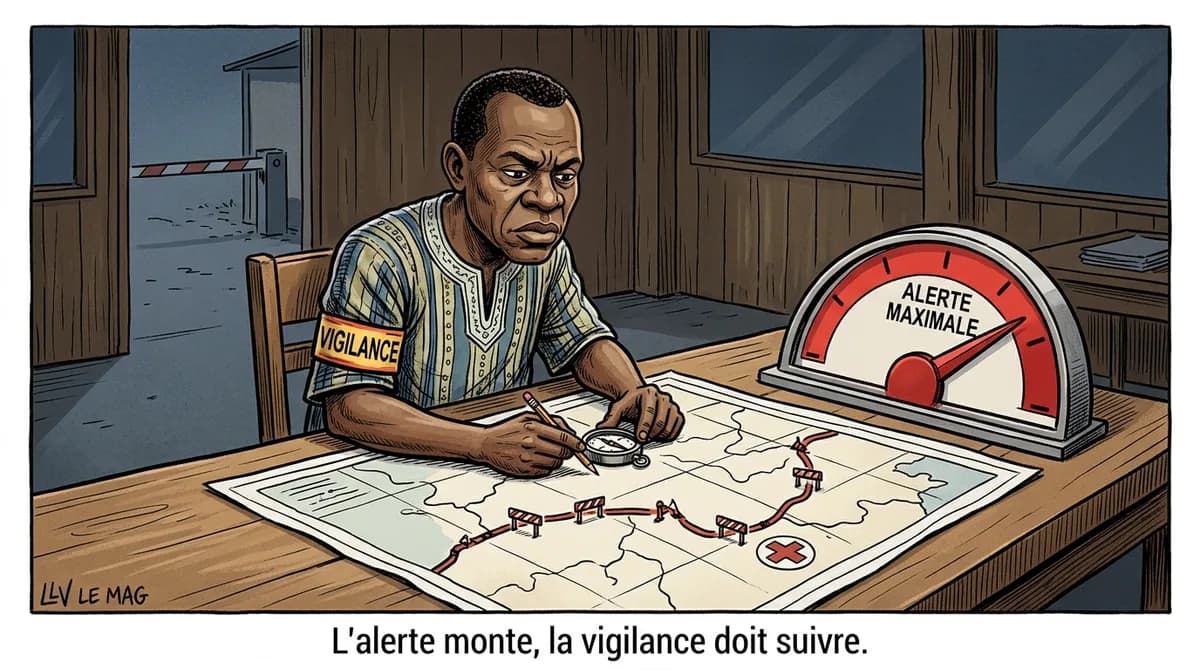
On June 26, 2026, the U.S. Centers for Disease Control and Prevention (CDC) raised its alert level for the Ebola outbreak in the Democratic Republic of Congo (DRC) to the highest tier, Level 1. The decision, announced a day after the latest situation report, places the health crisis on par with the most severe emergencies ever faced by the agency, recalling the 2014‑2016 West‑African outbreaks that claimed more than 11,000 lives.
According to the DRC National Institute of Public Health, 1,203 confirmed cases and 321 deaths were recorded as of June 25, spread across three provinces now affected, including the most exposed border zones. The CDC describes this flare‑up as the second‑largest ever recorded on Congolese soil and the third‑largest worldwide, behind the two previous crises that caused thousands of fatalities. These steadily rising figures underscore an accelerating transmission rate.
Moving to Level 1 means the CDC will immediately mobilize specialized response teams, intensify epidemiological surveillance, and advise local and international authorities to adopt heightened preventive measures. In practice, this entails deploying personal protective equipment kits, fast‑tracking health‑worker training on treatment protocols, establishing additional screening points, and issuing alerts to travelers and airlines. Level 1 also triggers increased logistical support, notably for sample transport and vaccine distribution.
A particular point of concern was highlighted: a humanitarian health worker infected in the field was repatriated to France, where he is now isolated in a specialized centre. No community transmission has been detected to date, indicating that contagion chains remain, for now, limited to direct patient contact. This swift handling illustrates cross‑border cooperation between NGOs and health authorities, while also reminding us of the vulnerability of frontline teams.
For Cameroon, which shares a border with the DRC and maintains constant flows of goods and people, the heightened risk demands greater vigilance. Cameroonian health officials will need to tighten border checks, ensure the availability of rabies and Ebola vaccines, and ready treatment centres to receive any imported cases. Strengthening diagnostic capacity, including the provision of laboratories capable of real‑time PCR testing, is also crucial for rapid detection of any spread.
At the same time, regional cooperation becomes indispensable. The African Union’s Centre for Coordination of Health Emergency Responses (CERU) and the World Health Organization are called upon to synchronise surveillance strategies, share laboratory data, and support local teams with logistical resources. Transparent communication with communities—through community radio, social media and traditional leaders—can curb panic and encourage early testing. Neighboring governments must also harmonise quarantine protocols to avoid disparities that could hinder a collective response.
As the international community mobilises, the priority remains the swift provision of vaccines and experimental treatments, as well as bolstering laboratory capacity in Central Africa. The next chapter of this crisis will depend on how quickly neighboring countries, including Cameroon, can turn alerts into concrete actions to contain the outbreak before it crosses new borders. Monitoring transmission indicators, protecting health workers and raising community awareness will be the key levers to reverse the trend and avert another devastating wave.