On June 25, 2026, Cameroon’s political climate heated up as the 2027 elections approached, with the Movement for the Rebirth of Cameroon (MRC) speaking out against the ruling party’s strategy, the Cameroon Democratic Rally (RDPC).
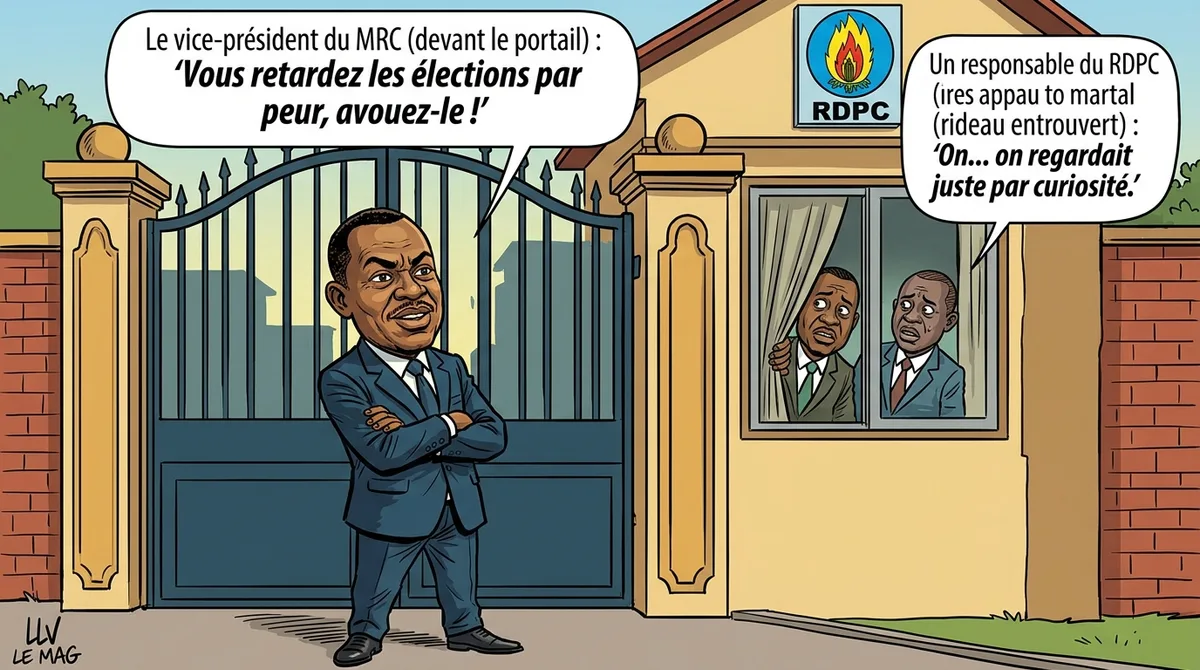
Mamadou Mota, the MRC’s first vice‑president, held a press conference at the MRC headquarters in Odza, denouncing what he called a ‘postponement of the elections out of fear of the opposition’s strength.’ He made the accusation in broad daylight, aiming to highlight what the MRC sees as a manipulation of the electoral timetable to preserve the RDPC’s hegemony.
According to Mota, the contemplated delay would not be driven by logistical constraints or legal requirements, but by the fear that a vigorous opposition could threaten the party’s monopoly on power. He therefore issued an explicit challenge to the RDPC, urging voters not to accept a process he believes is tainted by a desire to conceal the truth.
The stance carries major significance for Cameroon’s political landscape. By reminding that the legitimacy of a vote rests on a transparent schedule, the MRC seeks to rally democratic forces around a demand for clarity. The challenge could energize supporters of change while forcing the RDPC to publicly justify its decision to push back the electoral deadlines.
In recent Cameroonian history, election postponements have often been viewed as signs of institutional weakness. The doubt growing among voters, already fueled by unmet promises, risks deepening skepticism toward democratic institutions. The MRC is exploiting this sentiment to strengthen its argument, emphasizing that public trust can only be restored through a respected timetable and fair competition.
Responses are expected on several fronts. Civil‑society organisations, already vigilant, may intensify calls for transparency and for holding the polls on the originally scheduled dates. International observers will closely monitor the MRC’s statements to assess the electoral process against democratic standards. Meanwhile, the RDPC will have to address both the manipulation accusations and the electorate’s demand for responsible governance.
As the coming months prove decisive, the MRC’s challenge opens a national debate on the credibility of the electoral system. The Cameroonian people, seeking stability and progress, await clear answers. The RDPC’s ability to justify any postponement—or to stick to the calendar—will largely determine the country’s political trajectory up to the 2027 elections.