
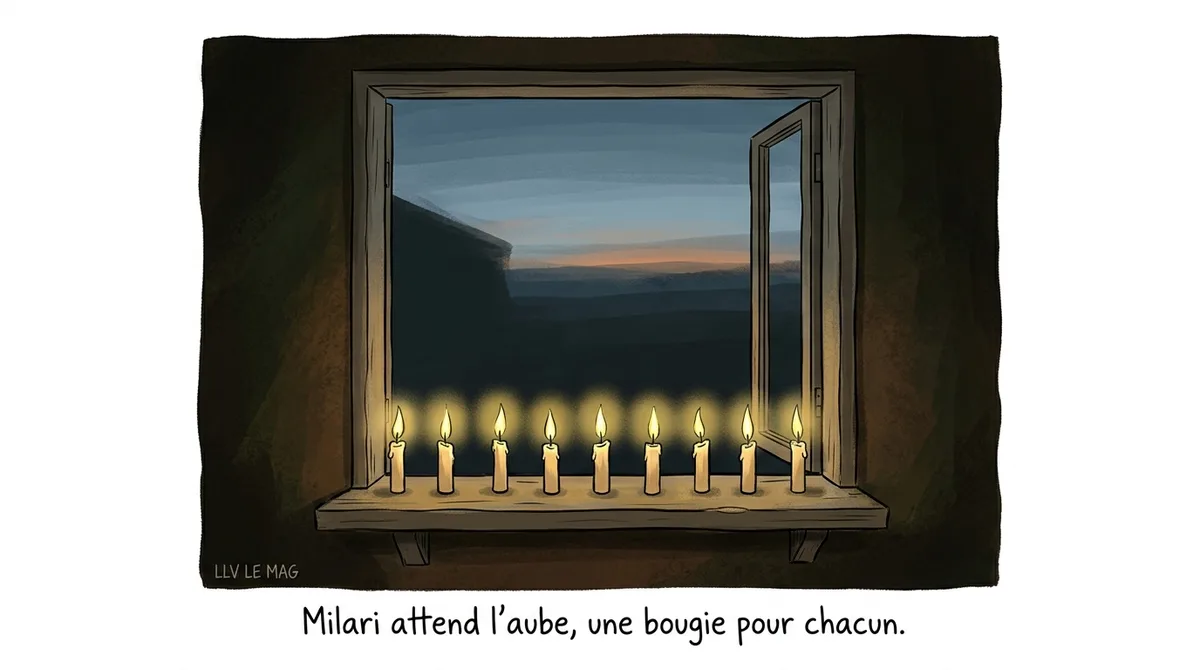
On July 3, 2026, the calm of Milari, an isolated village in the Far North, was shattered by a violent incursion. According to local authorities, nine civilians aged 18 to 55 were shot dead in an attack that witnesses attribute to Boko Haram, one of the most active armed groups in the region.
The attackers entered the town shortly after midnight, taking advantage of the residents' sleep. According to locals, they first fired warning shots before moving on to a melee with knives. The mix of rifles and knives turned the scene into a flash carnage, leaving the community in shock.
In addition to the nine dead, nine people were wounded, some seriously, and were rushed to hospitals in the Far North. Medical services, already stretched, struggle to absorb the new victims. Bereaved families mourn their loved ones, while survivors bear the physical and psychological scars of a night of terror.
The attack is part of a series of violent incidents reported in recent months in the border basin. Boko Haram, which regularly claims retaliation against Cameroonian forces, appears to be driven by a "vengeful rage" according to witnesses. The group exploits porous borders to strike isolated villages, sowing fear and disarray.
For Milari's residents, the tragedy is more than a statistic: it threatens daily stability. Forced displacement, loss of labor, and growing mistrust of authorities complicate rural life. Security becomes a luxury, and schools, markets and places of worship see attendance drop.
Cameroonian authorities, through their security sources, have confirmed the incident and pledged to reinforce patrols along the border. Medical and humanitarian teams are being mobilized to treat the wounded, but the community demands greater permanent protection. The government must combine military action with civil assistance to prevent other villages from suffering the same fate.
As the country prepares to face other challenges, this episode underscores the urgency of stronger regional cooperation. The fight against Boko Haram cannot rely solely on armed forces; it requires cross‑border coordination, local population support and development programmes that offer alternatives to violence. Milari's future will depend on Cameroon’s ability to turn fear into resilience.