
On July 7, 2026, Cameroon’s political landscape stands at a crossroads. The legislative and municipal elections slated for 2027 are drawing near, yet the opposition, fragmented since the first coalition attempt in 1992, has still not found a way to rally around a common platform capable of challenging the ruling party.
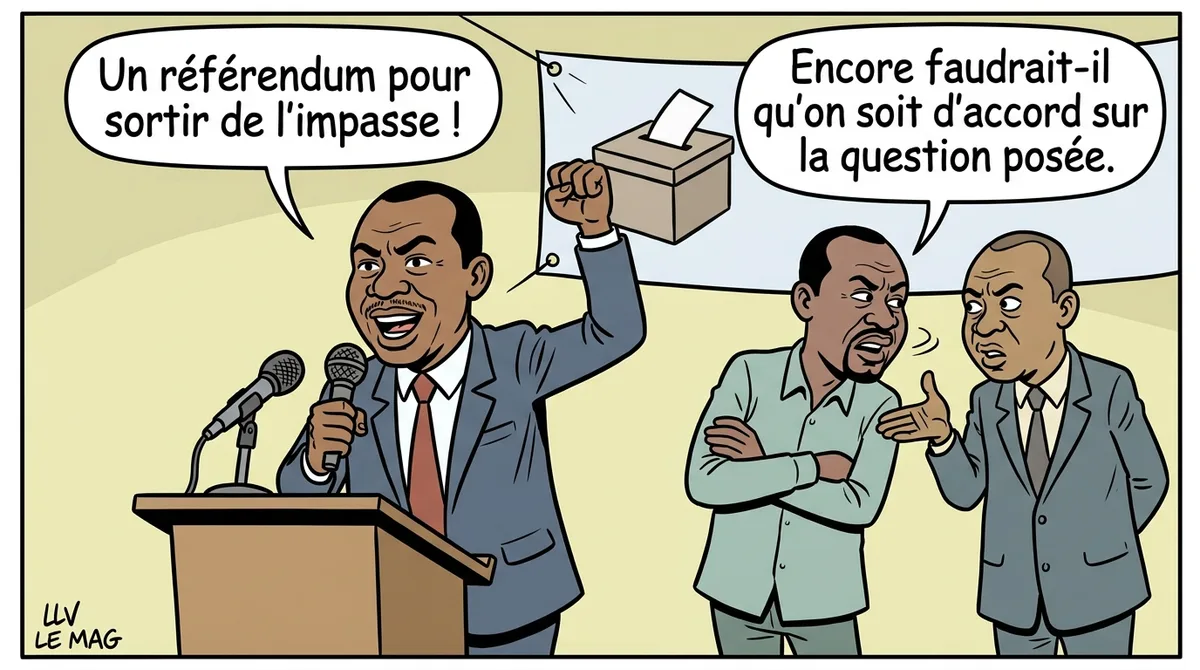
Abdouraman Hamadou Babba, a opposition stalwart since the eve of the October 12, 2025 presidential election, is no longer content to watch repeated alliance failures. In an op‑ed published today, he proposes a ‘referendum’ as a strategic alternative, arguing that the traditional electoral route is no longer sufficient to break the ruling party’s monopoly.
According to Babba, the referendum would be a citizen‑mobilisation mechanism to gauge the electorate on major political priorities – electoral‑system reform, greater decentralisation and anti‑corruption measures. By giving voters a direct voice, he believes the opposition would gain an extra layer of legitimacy essential for taking on the dominant party in the 2027 polls.
The proposal is meant to circumvent institutional deadlocks. For more than three decades, coalition attempts have collapsed, often due to ideological splits or leadership rivalries. Babba argues that a referendum, positioned ‘outside the partisan framework’, could defuse these tensions and forge a united front around issues shared by the populace.
For Cameroonians, the initiative carries a dual significance. On one hand, it offers a prospect of direct participation, echoing popular aspirations expressed during the 2020 and 2023 protests. On the other hand, it raises legal feasibility questions: does Cameroon’s constitution allow such a referendum without parliamentary approval? Babba provides no detailed answer, leaving the matter open to jurists and institutional actors.
Babba’s call has already sparked mixed reactions. Some opposition leaders view the referendum as a breath of fresh air, a way to reinvent collective strategy. Others, more cautious, fear the proposal could further fragment the movement by creating new fault lines between referendum supporters and proponents of a traditional coalition.
In any case, the referendum proposal underscores that Cameroon’s political system is at a turning point. If the 2027 elections prove decisive, they may be preceded by a national debate on how opposition forces wish to organise themselves. Time will tell whether Babba’s referendum becomes a transformative tool or merely another talking point among many.
Meanwhile, political observers advise close monitoring of legislative developments and any public consultations that might accompany the initiative. Should the referendum materialise, it could reshape the electoral rules and give voters a more direct voice in shaping Cameroon’s future.