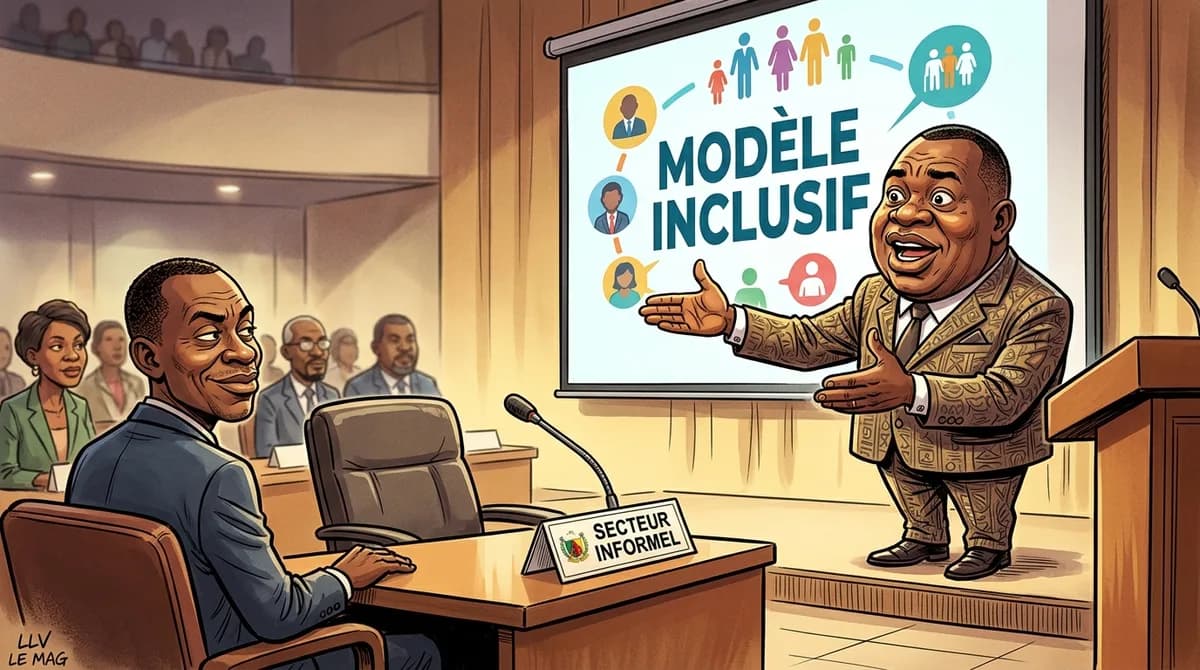
From July 7 to 9, 2026, the streets of Dakar pulse with the African Forum on Social and Solidarity Economy (FORA'ESS). At the heart of the event, the Cameroonian delegation, led by the Minister of SMEs, Social Economy and Craftsmanship, Achille Bassilekin III, is set to present the model that authorities say places the country at the forefront of more inclusive growth.
FORA'ESS, now in its second edition, brings together each year the continent's actors working to make the economy more equitable. The forum serves as a showcase for local experiences, an ideas laboratory, and a platform for regional cooperation. By gathering governments, civil‑society organisations and entrepreneurs, it creates a space where best practices can spread beyond national borders.
Cameroon is betting on a social and solidarity economy that integrates micro‑enterprises, cooperatives and community initiatives into the national development strategy. This approach aims to reduce dependence on traditional sectors, foster the creation of sustainable jobs and strengthen community resilience to economic shocks. The Cameroonian model is characterised by state support for small entities, easier access to financing and the promotion of local know‑how.
Minister Achille Bassilekin III, the delegation’s central figure, is convinced that sharing experiences is the key to accelerating reforms. “We want to show that Cameroon has managed to combine ambition and pragmatism to build an economy that benefits everyone,” the minister said at the opening press conference. His role is to present the results achieved, listen to feedback from Senegalese partners and identify common levers for action.
The programme includes case studies illustrating the success of craft projects, agricultural cooperatives and digital platforms dedicated to micro‑entrepreneurs. The aim is twofold: to inspire Senegalese participants and to gather feedback that will help adjust Cameroonian policies. Moreover, the minister hopes the forum will act as a catalyst for bilateral financing and training agreements, thereby speeding up the rollout of economic inclusion programmes.
For Cameroonians, the visibility offered by FORA'ESS is an opportunity to strengthen confidence in local initiatives. A well‑articulated solidarity‑economy model can attract investment, stimulate job creation in rural areas and reduce the inequalities that hinder development. Across Africa, the diffusion of this model could encourage other states to adopt similar policies, fostering a dynamic of cooperation rather than purely commercial competition.
As the forum prepares to close its debates, the outlook is clear: Cameroon intends to turn the lessons from Dakar into concrete actions, both nationally and regionally. The next step will be to formalise the partnerships forged over the three days, launch new pilot projects and measure the real impact on SMEs and artisans. In a context where economic inclusion is becoming imperative, Cameroon is betting on its experience to guide the continent toward shared prosperity.