In the 1970s, Guadeloupe—a French department since 1946—was gripped by disillusionment. The promises of equality with mainland France had failed to materialize, and unemployment was devastating an increasingly educated youth. Music, particularly gwoka and hits by Les Vikings de la Guadeloupe, became both an outlet and a tool for protest.
The trauma of the May 1967 events, where union protests in Pointe-à-Pitre were violently suppressed, left deep scars on Guadeloupean society. While the official death toll stood at eight, historians suggest a higher figure, with no thorough investigation ever conducted. This tragedy profoundly shaped the artistic landscape of the era.
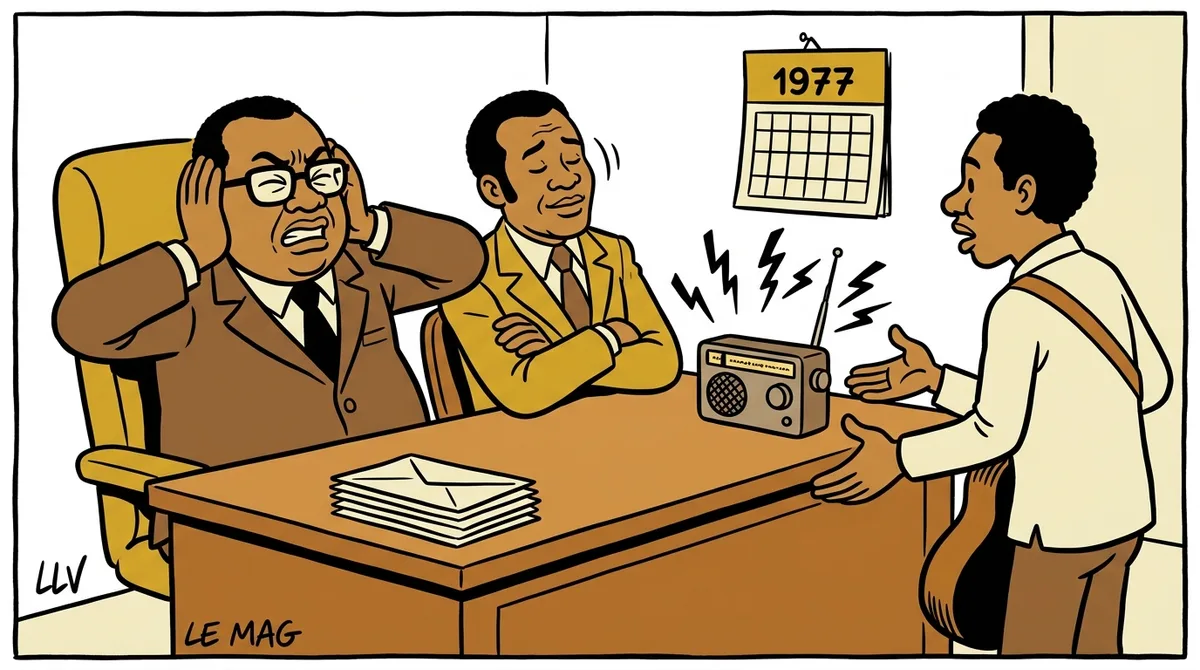
'Ka Nou Pé Fè,' a 1977 song by Les Vikings de la Guadeloupe, was written by Pierre-Édouard Décimus. The track asks in Creole, 'What can we do?'—a direct reference to Guadeloupe’s unemployment and precarity. Though the island had become a French department in 1946, the promised equality with the mainland never arrived. In May 1967, union protests in Pointe-à-Pitre were brutally crushed, with an official death toll of eight. Décimus, the band’s bassist, witnessed the events and was deeply affected. Meanwhile, Guadeloupe’s youth were better educated than ever, yet jobs—especially in agriculture—remained scarce.
'Ka Nou Pé Fè' was more than just a hit—it was a reflection of the social and political tensions roiling Guadeloupe in the 1970s. Through a seemingly simple question, the song captured the essence of a disillusioned generation facing chronic unemployment and the broken promises of departmentalization. It was part of a broader movement of identity-seeking, where music became a tool for resistance and preserving collective memory.
The song’s creation cannot be separated from the trauma of May 1967. Though Pierre-Édouard Décimus didn’t identify as an activist, his testimony revealed the lasting impact of those events on Guadeloupean society. Written a decade after the massacre, the song served as a reminder of past struggles and persistent inequalities. It also highlighted the central role of culture in protest movements—a phenomenon seen across Africa and the Caribbean.
For Francophone Africa, this story strikes a chord. Like Guadeloupe, many African nations experienced post-independence disillusionment, where promises of development and equality clashed with harsh economic and political realities. 'Ka Nou Pé Fè' underscores how music can be a powerful force for social mobilization, much like the work of African artists such as Fela Kuti or Thomas Mapfumo.
For Cameroon and Francophone Africa, the story of 'Ka Nou Pé Fè' offers insights into the role of culture in social struggles. It demonstrates how music can amplify popular frustrations and help forge a collective identity. In a context where young Africans increasingly face unemployment and precarity, the song serves as a reminder of art’s power as a tool for resistance and memory.
Politically, the song questions the relationship between overseas territories and the mainland—a debate that resonates in Africa, particularly in former French colonies. It raises issues of autonomy, equality, and social justice, which remain pressing for African and Caribbean diasporas today.
'Ka Nou Pé Fè' is far more than a musical success—it’s a symbol of resilience and creativity in the face of adversity. Through this song, Les Vikings de la Guadeloupe captured the spirit of their time and delivered a message that still echoes today, in Guadeloupe and across Africa. It reminds us that music can be a universal language for expressing the struggles and hopes of a generation.