
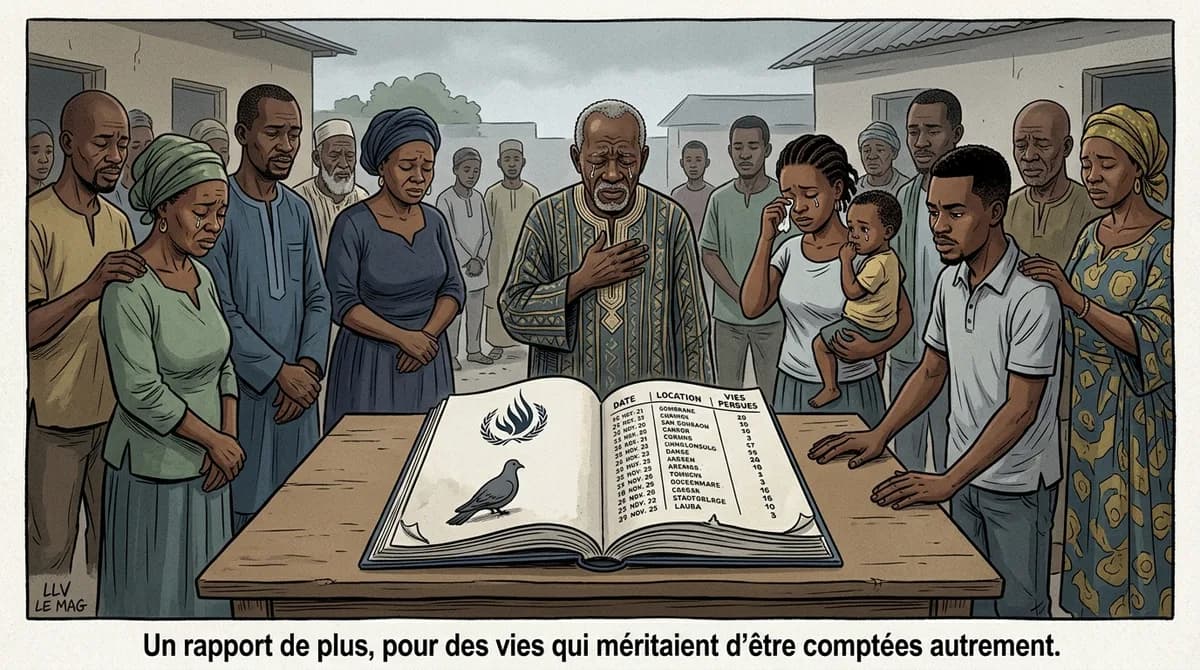
On June 30, 2026, Human Rights Watch released a stark report on Mali, indicating that abuses against civilians have intensified since the coordinated attacks by JNIM and its allies on the army and the ruling junta two months earlier. This new finding adds to an already grim picture of a conflict that has raged for years across the Sahel.
JNIM, a coalition of jihadist groups operating in the north of the country, launched an offensive that, according to the NGO, has pushed the war into a more brutal phase. The fighting has struck already fragile areas where state structures struggle to provide security and basic services.
Human Rights Watch accuses not only the Islamist groups but also their allies and the Malian army of committing serious human‑rights violations. The report cites arbitrary detentions, summary executions and looting, often carried out under the guise of counter‑insurgency, leaving civilian populations unprotected.
For residents of the northern regions, the reality is one of constant fear, massive displacement and growing reliance on humanitarian aid. Villages that were once self‑sufficient have seen their crops destroyed and homes burned, forcing thousands of families to flee to refugee camps or seek shelter in southern cities.
The deteriorating security climate is not confined to Mali’s borders. Cameroon, already grappling with the Boko Haram threat and displacement flows from the Lake Chad basin, faces an increasing risk of the Sahel conflict spilling over. An escalation of violence could trigger a new wave of refugees, putting additional strain on the country’s already limited resources.
Internationally, Human Rights Watch’s report warns the United Nations and European partners, calling for an independent investigation and the establishment of mechanisms to protect civilians. The organization stresses that impunity fuels the cycle of violence and that the international community must back inclusive dialogue initiatives, involving traditional leaders and Malian civil society.
Mali’s future remains uncertain, but the conclusion is clear: protecting civilian populations must become the top priority. Without a concerted effort to halt abuses and rebuild trust between authorities and communities, the conflict is likely to continue, bringing further suffering and displacement that will affect the wider West African region.