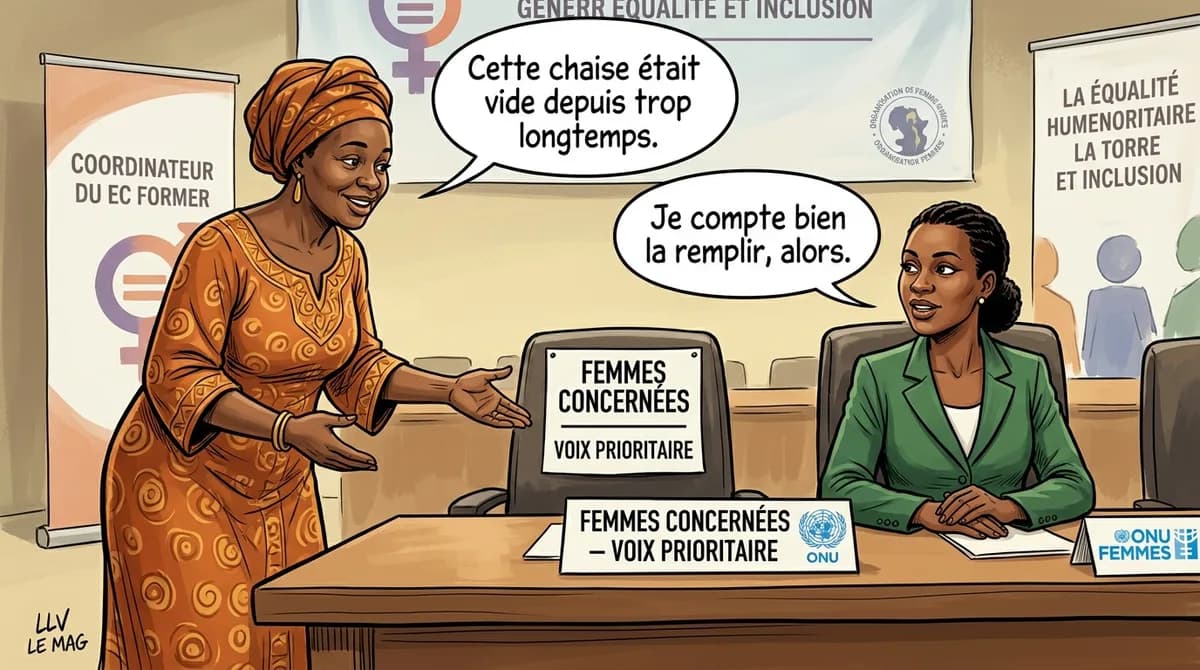
On June 29, 2026, under the auspices of UN Women Cameroon, thirty‑five participants from public institutions, UN agencies and community organisations gathered around a table for an unprecedented dialogue dedicated to women living with HIV.
This meeting, announced in the daily Journal du Cameroun, brought together representatives from the Ministry of Health, the Ministry of Finance, local authorities, as well as local NGOs specialised in the fight against HIV and the promotion of women’s rights. The stated goal was clear: to embed the rights, economic inclusion and social protection of these women at the very core of public policies.
HIV, long viewed as an individual disease, is now recognised as a development issue. Affected women suffer a double stigma – linked to their serostatus and their gender – which often drives them into precariousness, exclusion from the labour market and inadequate social protection. By empowering them, Cameroon is leveraging a powerful tool to reduce poverty and stimulate inclusive growth.
The envisaged empowerment goes beyond occasional training. It involves legal recognition of their rights, access to tailored micro‑credit, the creation of support networks and the establishment of social‑protection safety nets capable of covering health costs, maternity leave and old‑age pensions. If integrated into development plans, these measures could transform the economic dynamics of affected households.
In concrete terms, the inclusion of these women in national HIV‑response programmes would increase testing rates, improve treatment adherence and reduce new infections. Socially, it would encourage women’s participation in community life, thereby strengthening social cohesion and territorial resilience.
However, the success of this initiative will depend on the government’s ability to mobilise the necessary resources, coordinate actions across ministries and raise public awareness to break the prejudices that still hinder the emancipation of women living with HIV.
UN Women Cameroon announced that it will ensure rigorous follow‑up of the commitments made during this dialogue, publishing periodic reports and offering concrete recommendations to national authorities and donors. Partnerships with UN agencies, notably UNICEF and WHO, are expected to bolster the country’s technical capacity to implement these reforms.
The challenge now is to turn these commitments into tangible actions. For Cameroonians, it means the assurance that every woman, regardless of her condition, can fully contribute to building a more just and prosperous society. Time is of the essence, but the expressed will points toward a future where the empowerment of women living with HIV becomes a pillar of Cameroon’s sustainable development.