On July 12, 2026, the debate over Cameroon's gold resurfaced with renewed vigor. An alarming discrepancy between volumes declared to customs and quantities actually purchased by importers—led by the United Arab Emirates—was highlighted more than seven months ago. This divergence, revealed by independent investigations, raises serious questions about the traceability of the precious metal and the loss of tax revenue for the state.
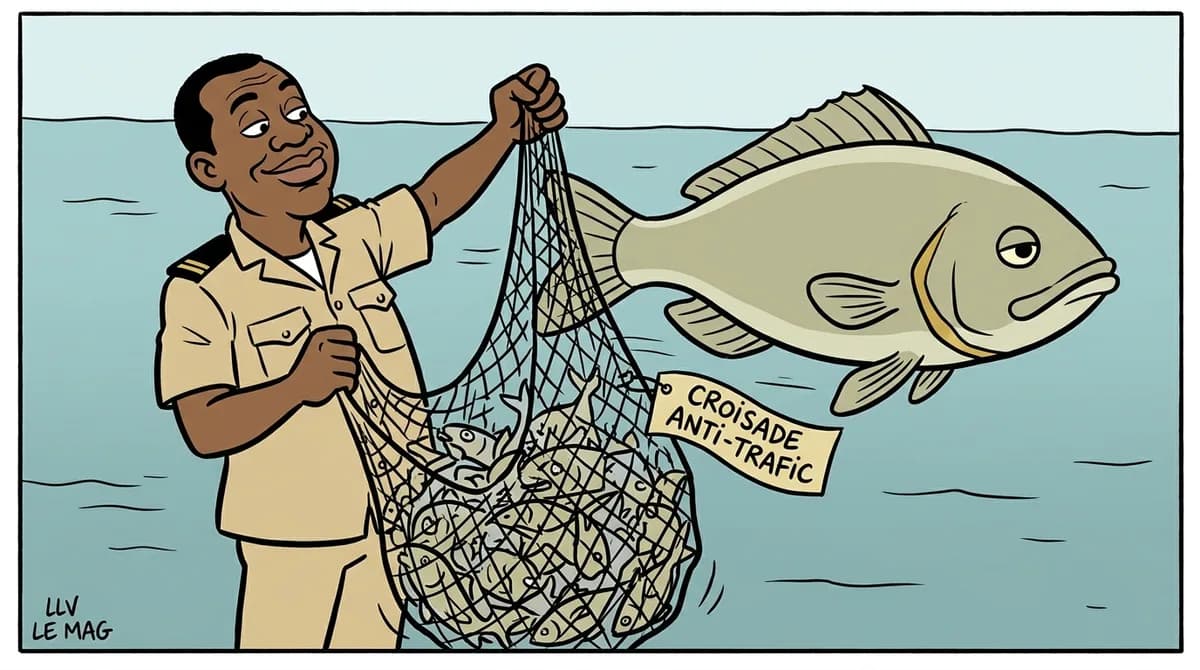
At the request of the presidency, the Minister of Mines, Industry and Technological Development, Professor Fuh Calistus Gentry, declared that the sector was "on a crusade to clean it up." This rhetoric, widely echoed in the media, is accompanied by a series of concrete actions: field raids, strengthened inspections and the introduction of sanctions against non‑compliant actors.
Last May, the ministry published a list of roughly two hundred companies deemed illegal, ordering them to come into compliance or face penalties. The move aims to eradicate clandestine production networks that feed the black market. Authorities say these measures will narrow the gap between official exports and the actual flow of gold.
However, specialists and civil‑society organisations point to a lack of targeting. According to their analysis, the steps taken do not address the most sensitive question: who really profits from the illicit Cameroonian gold trade? Investigations suggest transnational networks, sometimes linked to local elites, continue to divert the finished product, evading state controls.
The stakes go beyond security. Gold is a significant source of revenue for the country, and every kilogram diverted represents a loss of foreign exchange that could have been invested in infrastructure, education or health. The opacity also fuels distrust among foreign investors, who fear corruption and money‑laundering practices.
To plug these gaps, experts call for strengthening traceability of the metal from the mine, instituting mandatory certificates of origin and creating a real‑time tracking platform linking exporters, customs and international buyers. Such a control chain would make each transaction visible, reducing opportunities for diversion.
While the government portrays itself as proactive, civil‑society expectations remain high. The coming months will be decisive: it will be necessary not only to enforce the announced sanctions but also to establish transparency mechanisms that meet international community standards and the aspirations of the Cameroonian people. Genuine cleansing of the gold sector can only happen if the beneficiaries of the illicit trade are identified and held accountable.