
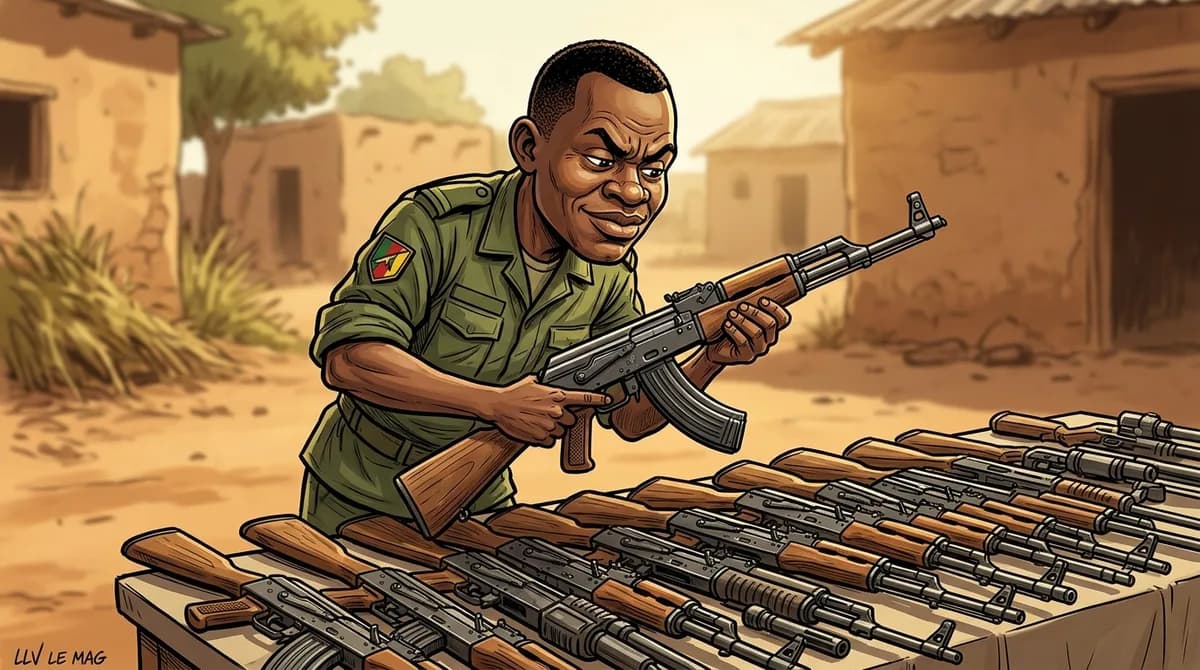
In the early hours of Tuesday, July 8, the village of Vreket, perched on the edge of Nigeria, became the scene of a large‑scale military operation. Around 0300 hours, the Rapid Intervention Battalion (BIR) entered the settlement, backed by other units and local vigilance committees, aiming to thwart a Boko Haram incursion. The outcome: four fighters of the terrorist group were killed, marking the first such success in the Far North region in several months.
The operation fits within the Cameroonian government's strategy to contain the cross‑border threat that plagues the Lake Chad basin. By seizing 22 firearms, the armed forces not only diminished the enemy's firepower but also sent a clear message to local militias: cooperating with the authorities is now the safest way to protect communities.
Vreket's selection was deliberate. The village, located on the Nigerian border, often serves as a staging point for illegal crossings and arms trafficking. By conducting a night operation there, the army exploited darkness to surprise the insurgents, thereby limiting the risk of civilian reprisals. This approach demonstrates a tactical shift, where speed and local intelligence take precedence over prolonged engagements.
For residents of the Far North, the news brings a breath of hope. For several years, local communities have lived under the constant threat of attacks, looting and forced displacement. The presence of the BIR, combined with support from vigilance committees, bolsters confidence in the state's ability to guarantee security. Yet the fragility of the social fabric remains evident: each clash can spark waves of fear, underscoring the need for ongoing humanitarian assistance.
Regionally, the episode highlights the importance of increased coordination between Cameroon and Nigeria. The two countries share a border of more than 1,600 km, where Boko Haram movements are frequent. Strengthened cooperation, particularly in intelligence sharing and joint patrols, could turn these isolated successes into a lasting stabilisation dynamic.
Cameroonian authorities have yet to release detailed figures on insurgent casualties or any captures of fighters. This restraint is typical of military communications, which prioritize operational security. Nevertheless, the international community is closely monitoring these developments, aware that each victory over Boko Haram contributes to de‑escalating the conflict in the Sahel.
Ultimately, the elimination of four fighters in Vreket marks a tangible step forward for the security of northern Cameroon. It underscores that the fight against terrorism requires a blend of precise military action, community engagement, and cross‑border cooperation. The coming months will be decisive: if the armed forces can sustain pressure, residents of the Far North may finally envision a future where fear gives way to reconstruction.