
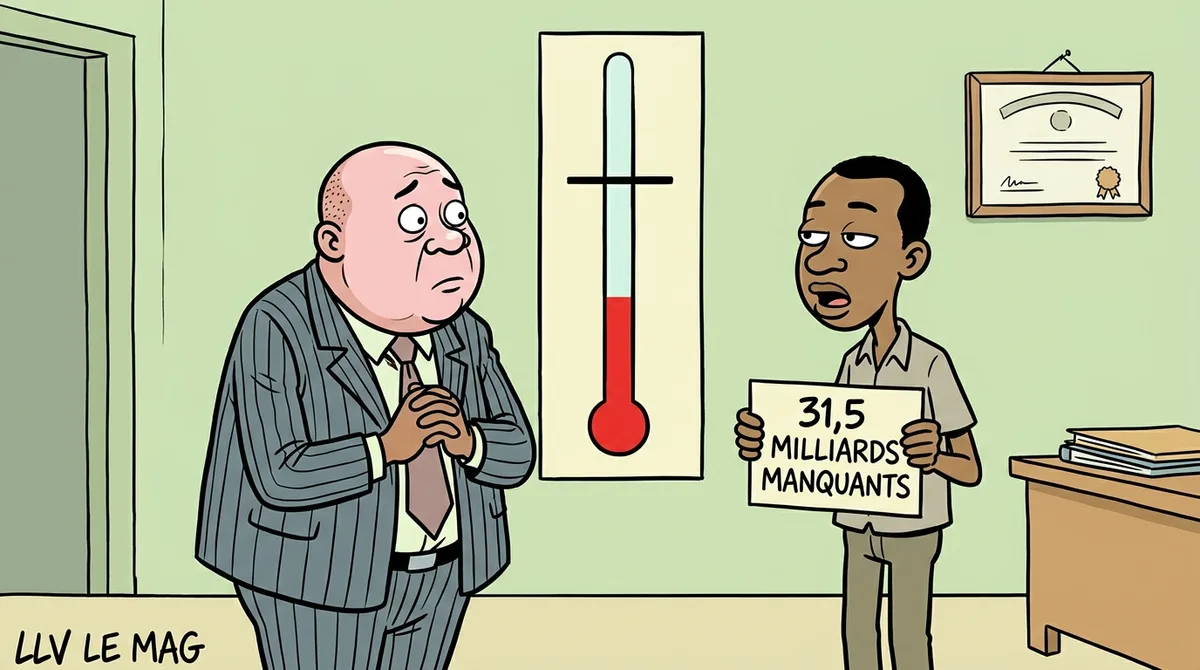
On July 14, 2026, the Ministry of Finance released the first‑quarter 2026 figures: customs revenues amounted to 260.9 billion CFA francs, or 89.2 % of the forecast, and the collection shortfall reached 31.5 billion CFA francs, a notable decline that has drawn the attention of economic analysts.
The shortfall is mainly explained by a reduction in export duties applied to shipped goods. When exports are taxed, each departure generates a direct contribution to customs coffers; the decline in these levies has therefore widened the gap between budgetary targets and actual results.
From a budgetary perspective, a gap of more than 30 billion CFA francs adds extra pressure on public finances. The government, already facing rising demands for infrastructure and social services, now has to reassess spending priorities or seek alternative sources of financing.
In commercial terms, the contraction of export duties may reflect a loss of competitiveness for Cameroonian products abroad or an adjustment of tariff policies. Exporters, facing a lower fiscal contribution, might view the change as a relief, but the loss of revenue for the state could curtail investments in port areas and logistics services.
To address the gap, authorities are considering several levers: strengthening customs controls to improve collection, revising tariff schedules to balance export incentives with fiscal contribution, and intensifying the digitalisation of procedures to limit losses linked to fraud. If applied rigorously, these measures could restore confidence among economic actors.
For citizens, the decline in customs revenues could translate into higher indirect taxes or a slowdown in infrastructure projects. Importers, meanwhile, might see their costs rise if the government compensates the shortfall with higher import duties, thereby affecting household purchasing power.
The medium‑term challenge remains Cameroon’s ability to restore a sustainable balance between stimulating foreign trade and mobilising public resources. Rigorous monitoring of customs indicators, combined with structural reforms, will be essential to prevent this shortfall from becoming a persistent budgetary drain.