
On 29 June 2026, authorities of the Early Warning System for Famine sounded the alarm: the harvests expected in several regions of Cameroon will not be enough to lift families out of the food crisis that has been raging for months.
In the Far North, the activity of armed groups, including the Iswap, has paralyzed land preparation. Residents of the Logone-et-Chari, Mayo-Sava and Mayo-Tsanaga departments have been unable to carry out the essential agricultural work for the main season, jeopardising the production of maize, millet and other staple crops.
This disruption of the agricultural cycle translates into very low incomes from off‑season crops. Households that relied on these harvests to supplement their food needs are left with empty baskets, deepening malnutrition and dependence on humanitarian aid.
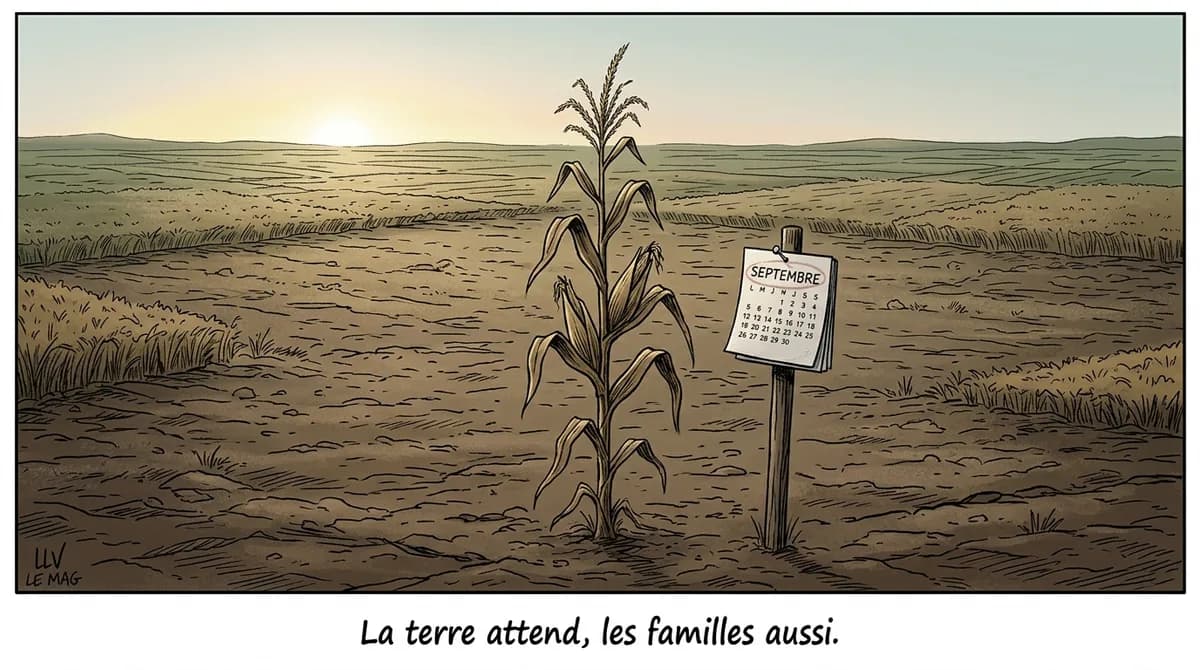
The early‑warning network’s assessment indicates that harvest prospects remain weak until September 2026. This deadline coincides with the end of the rainy season, a critical period for sowing and crop growth. Without improvement, families risk remaining in crisis for several more months.
For the affected populations, reality means hard choices: reducing portion sizes, sacrificing nutritional quality, or turning to lower‑calorie foods. Health impacts, especially among children and pregnant women, are already evident, with a rise in protein and micronutrient deficiencies.
Facing this bleak picture, humanitarian organisations and local authorities are urged to strengthen food‑support programmes, secure agricultural zones and facilitate access to seeds and fertilisers. The challenge is to protect farmers from armed threats while reviving production that can meet basic needs.
In the coming months, the international community will need to closely monitor food‑security indicators. A coordinated response, combining emergency assistance with long‑term resilience strategies, could prevent the crisis from further embedding itself in the country’s socio‑economic fabric.