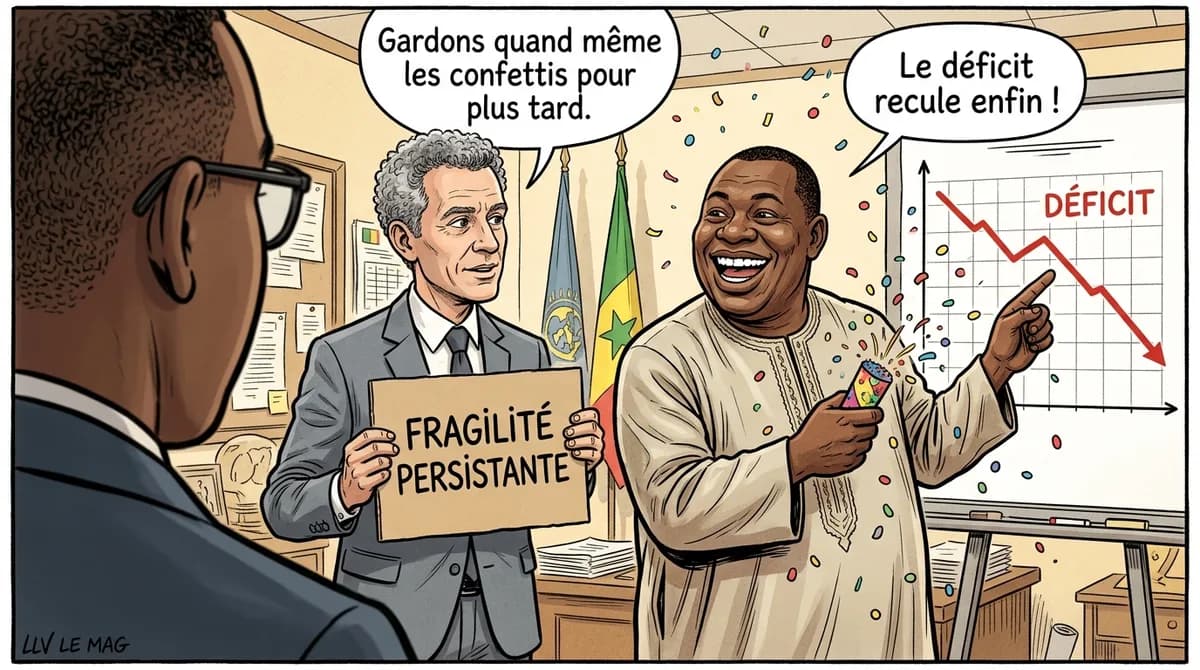
On June 23, 2026, Senegal’s capital welcomed a delegation from the International Monetary Fund for a five‑day technical mission, marking the first official meeting with the new government. The backdrop is an economy that, after a year of reforms, has seen its budget deficit plunge dramatically, falling from 13.4 % of GDP in 2024 to 6.4 % in 2025.
The improvement, praised by IMF officials, stems from tighter fiscal discipline and better control of public spending. The prime minister and finance minister presented more transparent accounts, allowing the institution to acknowledge Senegal’s efforts to restore fiscal balance. The IMF, however, cautioned that these gains remain fragile as long as public debt stays highly vulnerable.
At the same time, growth reached 6.7 % of GDP, driven largely by the start of oil and gas production. This new momentum creates prospects for additional revenue, but it also exposes the country to energy‑price volatility and the need for prudent revenue management to avoid excessive borrowing.
The IMF’s chief concern is financing the remaining deficit and Senegal’s ability to meet its debt obligations in an uncertain global environment. Analysts note that the combination of high debt and growing reliance on natural‑resource exports creates a vulnerability that could quickly turn into a liquidity crisis if external conditions deteriorate.
For Cameroonians and other French‑speaking African nations, Senegal’s case offers a valuable lesson: fiscal reforms can deliver rapid results, but they alone are insufficient to ensure financial stability. Cameroon, grappling with its own debt and diversification challenges, can draw on Senegal’s experience to tighten fiscal discipline while building safety nets against external shocks.
The IMF and Dakar agreed to continue their cooperation even without a new immediate aid program. This willingness to work together opens the door to enhanced technical assistance, debt‑structuring support, and closer monitoring of reforms. For Senegal, it could mean access to more favorable medium‑term financing, provided it maintains fiscal rigor and consolidates the gains already achieved.
Ultimately, the situation is both hopeful and cautious. Senegalese authorities must continue their fiscal consolidation efforts, diversify revenue sources, and strengthen debt governance. Regional observers, including Cameroonian policymakers, will watch the partnership closely, as it could become a model of cooperation between Africa and international financial institutions.