On June 23, 2026, Cameroon’s political scene was shaken by a controversy that, at first glance, seemed trivial: MP Nourane Foster does not appear among the elected officials of the Cameroonian Party for National Reconciliation (PCRN) on the party’s official website. This seemingly technical detail sparked a heated discussion on social media, underscoring how any omission can ignite a communications crisis.
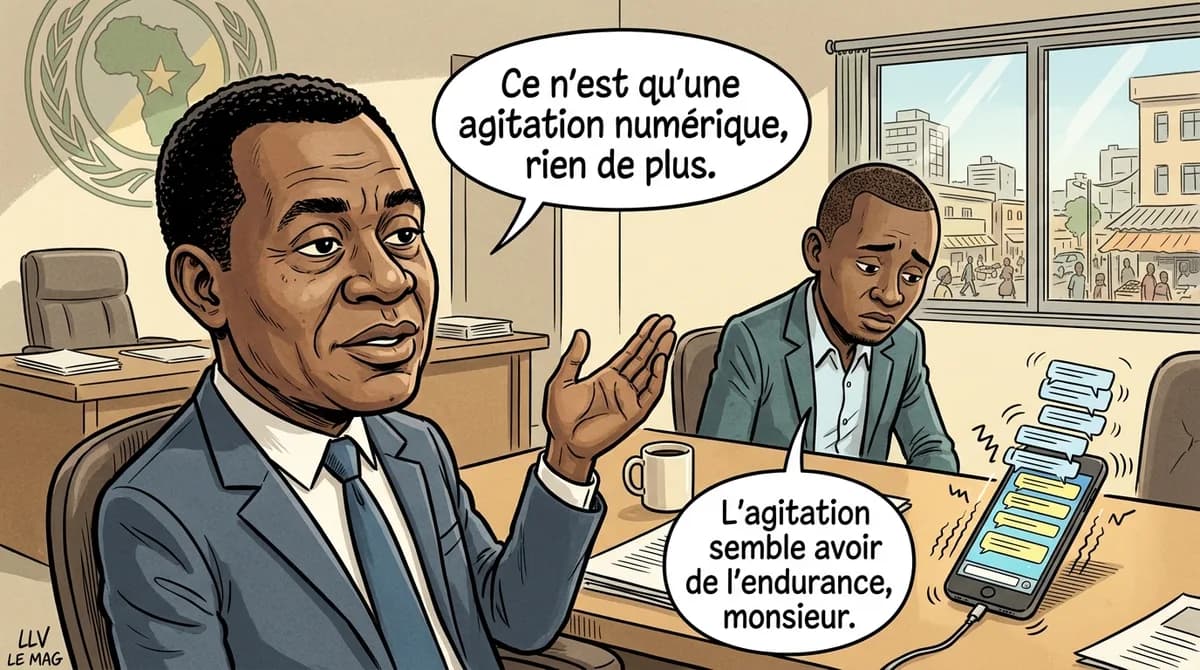
Facing the media storm, Cabral Libii, PCRN president, posted a statement on his Meta page, describing the situation as a “digital agitation”. He reminded serious activists that any correction or suggestion should be directed to the party’s competent team, emphasizing the importance of using official channels for internal demands.
"What’s surprising is the willingness of some to turn a minor detail into a crisis," he wrote, without explaining why the MP is not listed. The concise, pointed remark highlights a defusing strategy: keeping the debate confined to a simple website update rather than feeding more serious rumors.
Political observers quoted in the same article suggest that Nourane Foster’s absence could signal a sidelining by the party leadership. No PCRN spokesperson has confirmed this hypothesis, but the mere fact that the MP’s name is missing from the official list fuels speculation about her standing within the movement.
The family context adds another layer to the story. The MP’s husband, Firmin Bouler Fotsing, resigned from the party a few days after the October 12, 2025 presidential election, where he served as regional delegate for the West. His departure, presented at the time as a personal decision, is now cited as a possible sign of a rift between the family and the PCRN leadership.
For Cameroonian voters and activists, the controversy raises several key questions: Is the PCRN transparent enough in managing its representatives’ lists? Does the party’s internal communication withstand the digital pressures that amplify every omission? And most importantly, what impact will this agitation have on party cohesion as upcoming electoral deadlines approach?
The PCRN’s future will hinge on its ability to rebuild trust. A swift website update, coupled with an official explanation, could calm tensions and demonstrate that the party takes its members’ concerns seriously. In the absence of a clear response, the controversy could evolve into a broader debate on internal governance of Cameroonian political parties, reminding us that every pixel matters when legitimacy is at stake.