Monday July 6, 2026, as France secured a narrow victory over Paraguay in the World Cup round of 16, the spotlight shifted not to the game but to a verbal exchange that erupted on X, exposing the persistence of racism that transcends sport.
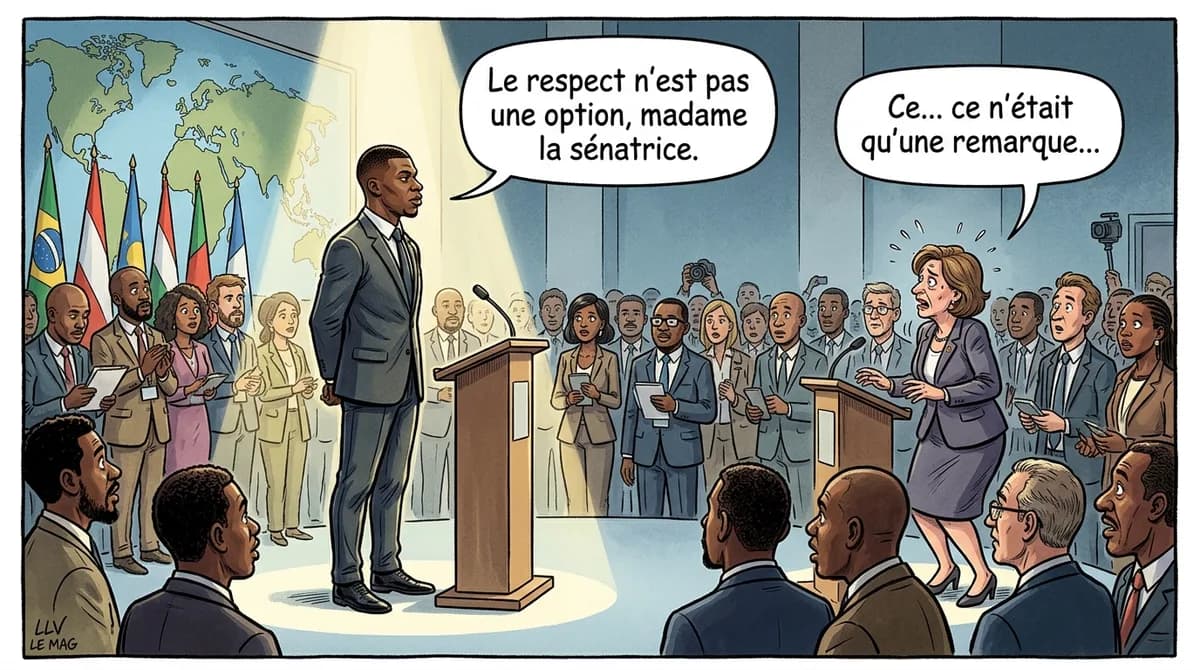
It was Paraguayan senator Celeste Amarilla who, in a post on the platform, described Kylian Mbappé as a "colonised Cameroonian pretending to be French," adding that he was "resentful, nouveau riche, arrogant and ugly." She went on to claim the captain was "nervous and scared to death throughout the match, like his whole team, they couldn't score a single goal." These accusations, mixing racial stereotypes and personal attacks, immediately sparked a wave of condemnation.
In response, Mbappé fired back with the same intensity as the match: "You are a despicable woman unfit for your office. You do not represent Paraguay, a country that has sweated passion and honour throughout the competition. With your unconsciousness and unabashed racism, the world has already forgotten the historic journey and effort your players have made in this World Cup." He concluded by stating: "I will never allow people like her to have the freedom to spread their hate and racism across the world."
French Football Federation president Philippe Diallo quickly denounced the senator's remarks, calling them racist and unacceptable. His intervention, amplified by the media, reinforced the view that football, even at its highest level, must not become a platform for hate.
For Cameroonians and the African diaspora, the clash has a dual dimension. On one hand, it reminds that players of African origin, even when wearing a European national jersey, remain targets of prejudice linked to their roots. On the other hand, it highlights the responsibility of public figures, whether sporting or political, not to fuel stereotypes that sustain the marginalisation of African communities worldwide.
Immediate repercussions are seen in a social‑media mobilisation, with hashtags calling for an end to racism in sport multiplying. Diplomatically, the senator's statement could prompt Paraguay to clarify its position, while France, backed by the FFF, says it is ready to defend its players' dignity. The incident underscores the need for a more structured intercultural dialogue to prevent offensive remarks from turning into diplomatic crises.
As football continues to unite millions of supporters, the challenge remains to turn these bursts of anger into lasting lessons. Sporting bodies, governments and the media must work together to build barriers against racism, ensure every athlete is judged on talent rather than origin, and remind that mutual respect is the foundation of a truly global competition.