Disinformation online has become a scourge in North Africa, exacerbating social and political tensions. In Libya—a country scarred by years of conflict and a chronic migration crisis—false information spreads rapidly, fueled by networks of inauthentic accounts.
The Economic Community of West African States (ECOWAS) and its regional partners, such as the African Union, have ramped up efforts to combat this phenomenon. However, recent events in Libya demonstrate that these measures remain inadequate in the face of the problem’s scale.
On June 3, 2026, an Egyptian account on X (formerly Twitter) shared a false claim that the UNHCR had resettled 850,000 African migrants in Libya. The misinformation quickly spread across Libya, Egypt, and Tunisia, amplified by a network of fake accounts. Protesters stormed the UNHCR’s Tripoli office on June 4, demanding the agency’s expulsion. The UNHCR dismissed the claim as 'categorically false' and linked the disinformation to a surge in violence against its facilities. Migrants in Libya reported increased attacks and harassment in the weeks following the false post.
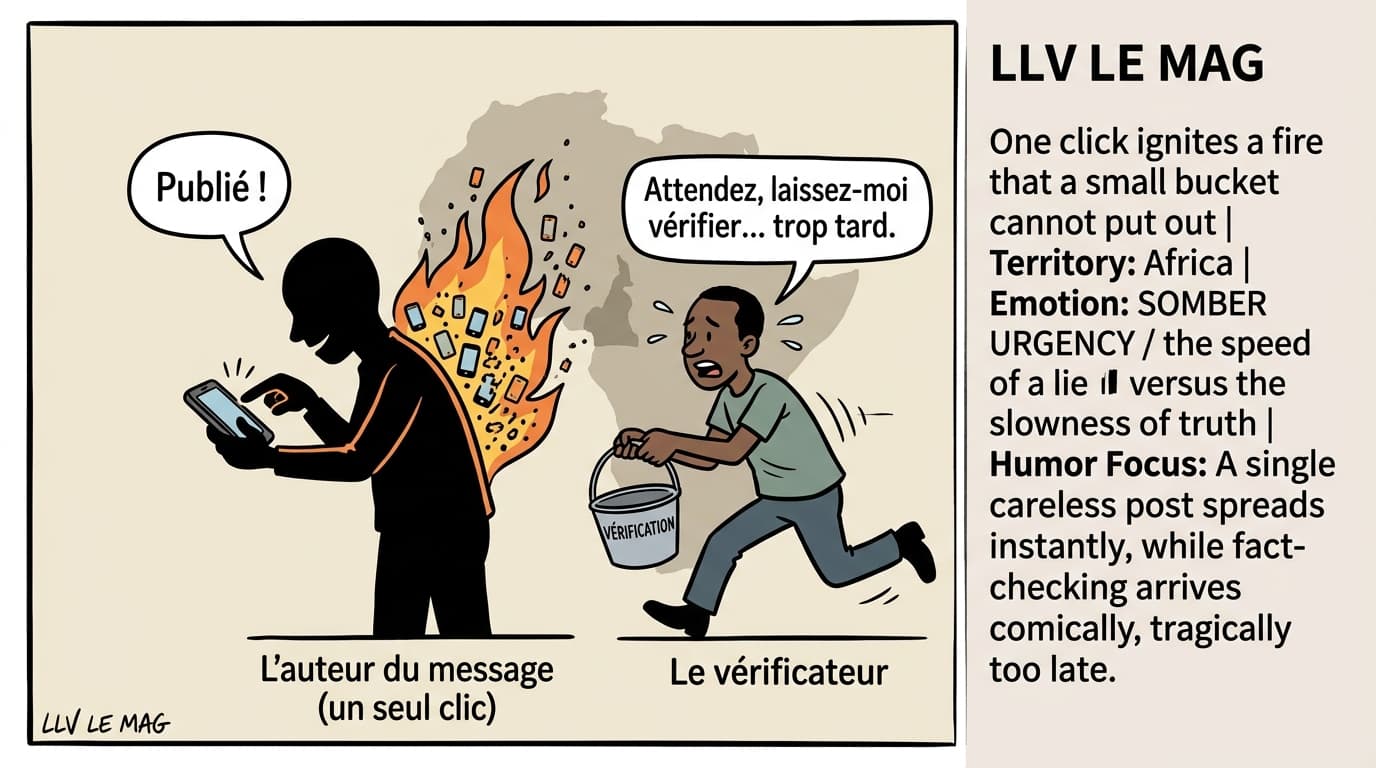
This incident underscores the vulnerability of African societies to disinformation, particularly amid migration crises. While social media connects people, it also becomes a tool for division and violence when information goes unverified. The speed at which this false narrative spread highlights the urgent need for governments and regional organizations like ECOWAS to strengthen regulatory mechanisms.
North Africa, already weakened by decades of conflict and political instability, is especially exposed. Migrants, often targeted by xenophobic rhetoric, become the primary victims of these disinformation campaigns. For ECOWAS, whose member states serve as transit or destination countries for migrants, this issue is a regional security concern.
For Cameroon and other Central African nations, this crisis underscores the need to bolster media and institutional capacity to combat disinformation. Fake news, by fueling social tensions, threatens state stability and community cohesion.
In the long term, ECOWAS could play a pivotal role by coordinating regional initiatives to raise public awareness and train journalists in fact-checking. Collaboration with social media platforms like X and Facebook would also be crucial to curb the spread of false information.
Disinformation is not new, but its amplification through social media makes it an unprecedented threat to Africa. Facing this challenge, ECOWAS and its partners must act swiftly to protect populations and preserve regional stability. The stakes are high: ensuring information remains a tool for empowerment, not division.