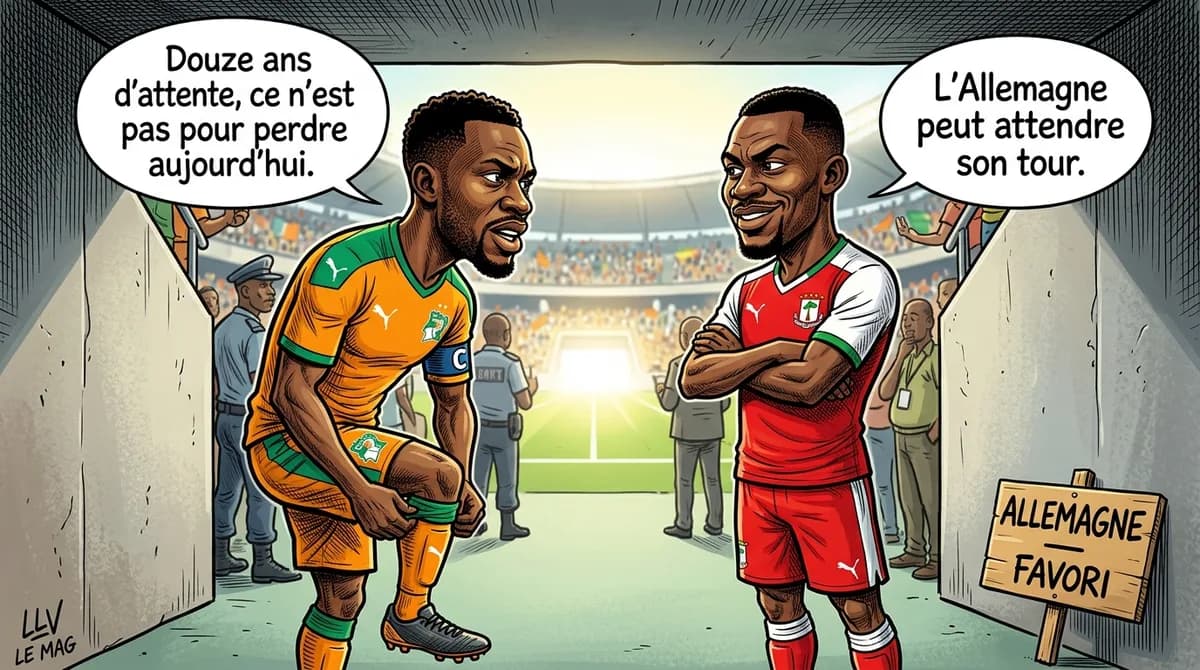
On Sunday, June 14, 2026, night falls over Philadelphia. At 23:00 local time, the stadium will host Ivory Coast’s first match, the Elephants, against Ecuador, a side that has not tasted defeat in eighteen months. The kickoff marks the Ivorians’ return to the world stage after a twelve‑year absence, a moment charged with emotion for the fans in attendance and for the African diaspora watching the tournament live.
The Elephants, driven by the hope of a generation raised on street football and academies, face a South American side known for its defensive solidity. Ecuador, unbeaten for nearly two years, arrives with the confidence of a group that has weathered challenges. The clash therefore presents a resilience test for Ivory Coast, which must blend tactical discipline with creativity to avoid being overrun from the outset.
In Group E, Germany already stands out as the favorite after a dazzling 7‑1 win over Curaçao. That result sets the tone for the competition and puts pressure on the African teams looking to make their mark. The Elephants’ performance will be closely examined, not only as a gauge of their own level but also as a barometer of African football’s ability to compete with European and South American powers.
For Cameroonian readers and the broader Francophone audience, the match holds symbolic weight. Football, a genuine link between African diasporas and their homelands, becomes a vehicle for unity. Cameroonians, accustomed to following the exploits of their own Lions, view the Elephants’ journey as an opportunity to gauge the continent’s progress. Live broadcasts, social media, and African analysts’ commentary provide a platform where every pass and tackle becomes fodder for debate and collective pride.
The stakes are manifold. An Ivorian win could thrust Group E into a favorable dynamic, opening the door to a possible round‑of‑16 qualification. A positive result would boost the visibility of West African football, potentially attracting more investment and partnerships for local academies. Conversely, a loss would underscore the ongoing challenges African nations face in reaching the level of their European and South American counterparts.
The 2026 World Cup, co‑hosted by the United States, Canada and Mexico, marks a first generation of players born into a hyper‑connected world. Young Ivorians, raised on streaming platforms and social media, see the tournament as a stage where their dreams can materialise. The clash with Ecuador is therefore not just a sporting contest but also a moment of visibility for a generation eager to shine a light on the continent on football’s biggest stage.
As the whistle blows in Philadelphia, eyes turn to the future. Beyond the immediate result, this duel marks a crucial step in the quest for lasting recognition of African football. Supporters, whether in Douala, Yaoundé or the neighborhoods of New York, eagerly await to see if the Elephants can turn hope into performance and write a new chapter in the continent’s sporting history.