On June 30, 2026, Cameroon’s media landscape was shaken by a wave of false information allegedly coming from Issa Tchiroma Bakary, former minister and opposition figure. Within 24 hours, forged documents flooded Facebook, Twitter and WhatsApp groups, sowing confusion among thousands of citizens who closely follow the politician’s statements.
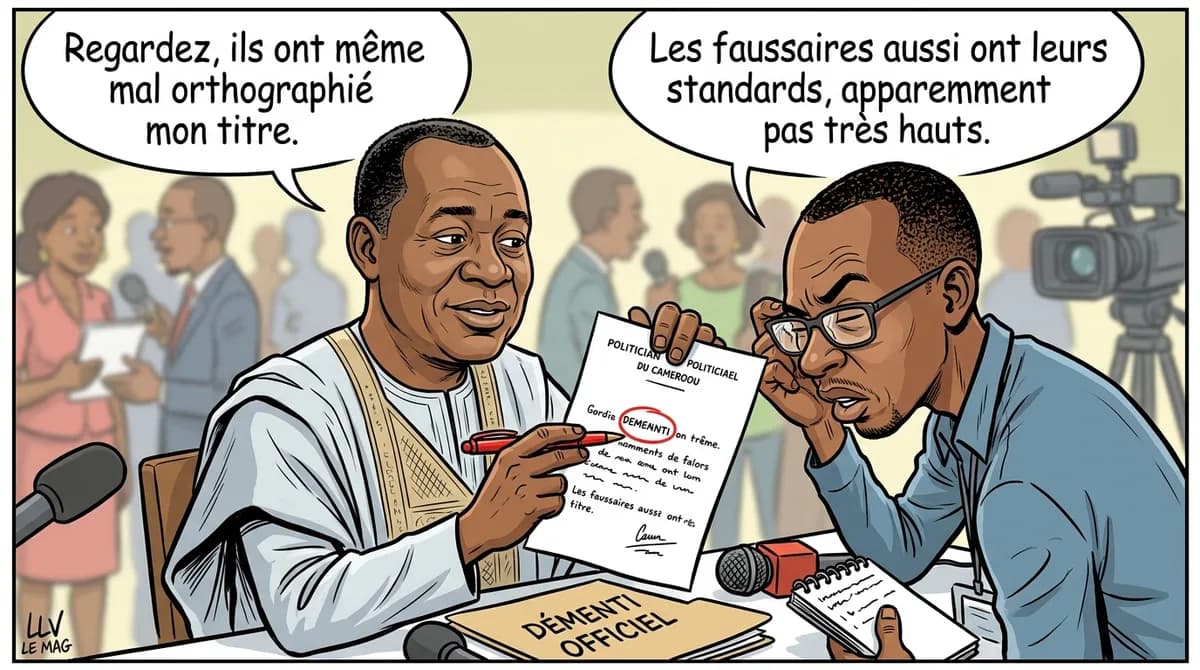
Among the fake documents, a purported appointment decree dated June 29, 2026, bearing Issa Tchiroma’s signature, circulated widely. A second statement, attributed to his spokesperson, Ms. Alice Nkom, mentioned an initiative by BAS Belgium, even though no official body has confirmed such a move. These papers, lacking any authentic seal, masquerade as official announcements, making it hard for the public to tell fact from fiction.
Issa Tchiroma Bakary’s General Coordination responded on Monday, June 29, 2026, by issuing a formal denial. The statement said the two documents are “entirely fabricated” and do not originate from any legitimate authority. The Coordination clarified that the only decrees, statements and official acts from the minister are those posted on Issa Tchiroma Bakary’s official Facebook pages and his office’s page, urging Cameroonians to rely on those recognized channels.
The minister’s spokesperson then blamed “black offices and shadow cabinets” for orchestrating the disinformation campaign, linking them to the “Yaoundé regime”. The accusation implies a strategy aimed at tarnishing Issa Tchiroma Bakary’s image, stirring unrest in public opinion and diverting attention from the country’s real political issues. The backdrop of tensions between the ruling authorities and opposition figures gives these claims particular weight.
In response to the escalation, the General Coordination issued a call for vigilance. It urged Cameroonians, as well as national and international observers, not to share unverified information and to always check the source of shared content. This reminder of caution reflects a desire to protect institutional credibility and prevent the spread of rumors that could fuel social instability.
Why is this disinformation so dangerous? In a country where mistrust of public authorities is already high, the spread of fake statements amplifies suspicion and weakens citizen dialogue. Every time a rumor circulates, it diverts attention from concrete issues – unemployment, health, education – and fuels divisions. Moreover, manipulation of social media by opaque actors undermines the media’s ability to provide reliable information, harming democracy itself.
The challenge for Cameroon now is to strengthen digital literacy and establish rapid verification mechanisms. Social platforms, journalists and public institutions must work together to identify and remove fraudulent content as soon as it appears. By encouraging citizens to consult official sources, report suspicious messages and apply critical thinking, the country can reduce the impact of disinformation campaigns and preserve confidence in the political process.