Abidjan, 27 June 2026 – The Cameroonian influencer known as Elysée le Snieper regained his freedom after a brief incarceration that captured the attention of social media. His release, announced in a video on June 26, immediately drew the interest of thousands of followers, who now number nearly 800,000 on TikTok.
Elysée Tchnida Ngounou, his real name, made headlines the previous week when he was photographed on the Alassane Ouattara Bridge in Abidjan, brandishing the black‑red‑yellow German flag. The image, released the day before the World Cup match between the Ivorian Elephants and the German Mannschaft, was perceived as a direct provocation toward President Alassane Ouattara.
Ivorian authorities responded swiftly. Early in the week, the content creator was detained in Abidjan, accused of publishing remarks deemed offensive toward Alassane Ouattara. The arrest occurred amid an already tense climate, where the rivalry between Cameroonian and Ivorian digital communities often plays out in verbal duels and accusations of provocation.
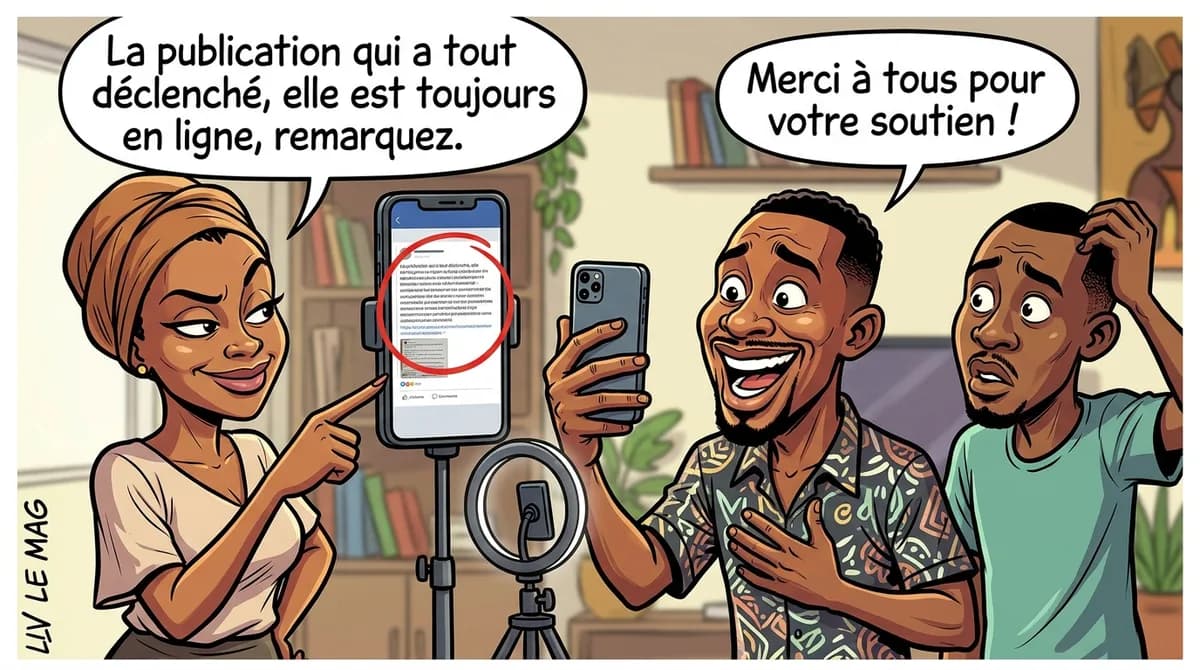
Released on the evening of June 26, Elysée le Snieper posted a short video thanking “all those who supported me.” His tone, both relieved and resolute, reflects a desire to reclaim his image after a week of uncertainty. Online reactions range from unwavering support to calls for moderation.
The case highlights the fragility of digital exchanges between Cameroon and Côte d’Ivoire. When social platforms become arenas for political stakes, every post can be read as a diplomatic act. For Cameroonian netizens, Elysée’s situation serves as a reminder that online freedom of expression is not always guaranteed, especially when it touches public figures of a neighboring country.
Cameroonian content creators, whose audiences now extend beyond borders, must now weigh the risk of “digital censorship” if they cross tacit limits. The fear of another arrest could push some toward self‑censorship, limiting the diversity of voices that enrich African public debate.
Going forward, the digital community will need to strike a balance between creative provocation and respect for national sensitivities. An open dialogue between Ivorian authorities and Cameroonian influencers, supported by social‑media platforms, could prevent further escalations and ensure that freedom of expression remains a cornerstone of Africa’s online landscape.