On July 5, 2026, Cameroonian football once again looks to Europe as international goalkeeper André Onana signs a new season-long loan with Trabzonspor. The Turkish club, which welcomed him last summer, will thus reunite with the Cameroonian for the 2026/27 campaign, still under the ownership of Manchester United.
In his first loan season, Onana established himself as the undisputed starter, playing a major role in the club's Turkish Cup triumph and securing qualification for the Europa League preliminary round. His impact was such that the keeper quickly regained the confidence of a title‑hungry side after a difficult season in England.
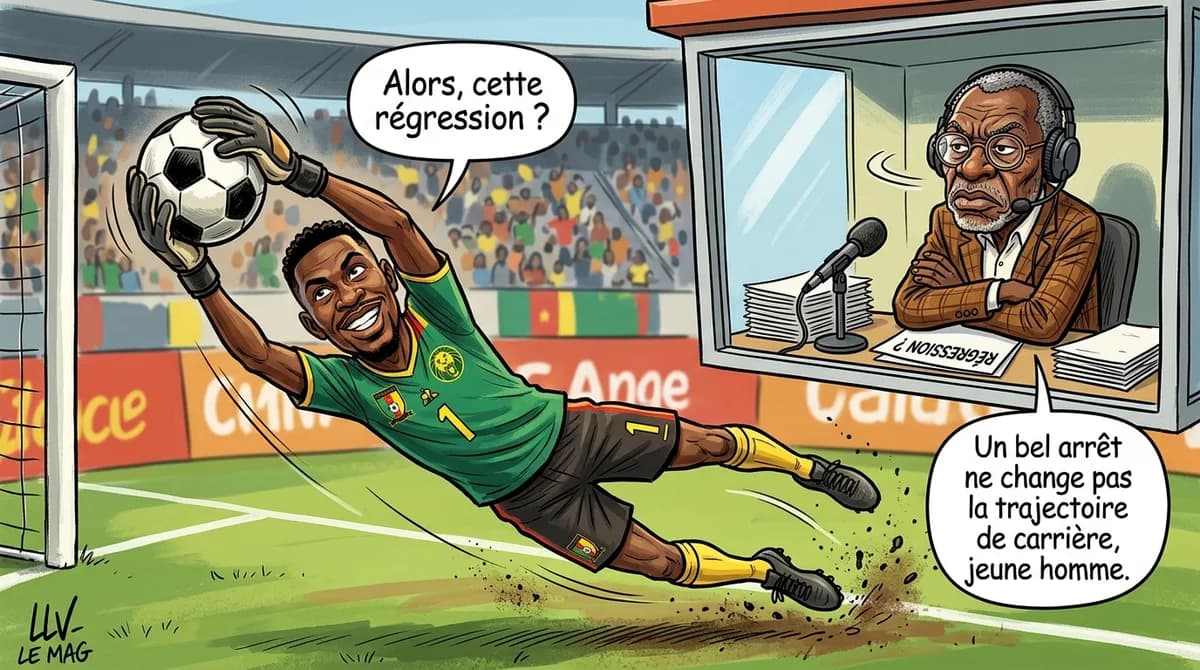
Speaking to Africafoot, former international Serge Branco did not mince words. “Sportingly, André Onana never managed to cement his place at Manchester United. After a series of blunders and tough matches, he was loaned to Turkey last season. He performed reasonably well and helped his club qualify for European competition. It’s clear this is a step back. Going from the very top level – the Premier League, the Champions League – to a second‑tier league like Turkey, and not even to a top Turkish club such as Galatasaray or Fenerbahçe, will complicate the next stage of his career. After Trabzonspor, a return to a major European club will be difficult.”
Branco’s assessment rests on a stark comparison between the demands of the Premier League and those of the Turkish league, which is often viewed as less televised and less competitive. While Turkey boasts historic clubs, the fact that the goalkeeper is playing for Trabzonspor, away from giants Galatasaray and Fenerbahçe, fuels the perception of reduced visibility on the European stage. This view could affect future transfer negotiations, especially if recruiters favor players in the most exposed leagues.
For Cameroonian supporters, the situation raises questions about the trajectory of local talent abroad. A keeper who shines in Turkey but is not regularly showcased at major European fixtures could see his standing in the national team diminish, particularly if other goalkeepers are plying their trade in more high‑profile leagues. The debate fits into a broader dynamic where every overseas performance is scrutinised by the Cameroonian Football Federation.
Despite Branco’s critical tone, he acknowledges the benefits of a stable season in Turkey. The goalkeeper has regained regular playing time, an essential factor for rebuilding confidence and form. Consistent performances, even in a league deemed ‘second‑tier’, can serve as a springboard for a future return to top clubs, provided the player capitalises on every opportunity and shows continual improvement.
Onana’s future therefore hangs between two realities: the need to excel at Trabzonspor to counter the regression label, and the desire to reclaim a place in elite clubs. The coming months will be decisive, and observers both in Cameroon and Europe will watch each match, each save, and any potential trophy closely, hoping to see the Indomitable Lion once again become a pillar of world football.