On 4 August 2018, the FECAFOOT normalization committee chaired by Dieudonné Happy announced the appointment of the Dutch tandem Clarence Seedorf and Patrick Kluivert to take charge of the Indomitable Lions, replacing Hugo Broos. The surprise move, unexpected by fans, was intended to prepare Cameroon for the 2019 Africa Cup of Nations in Egypt, after the 2017 surprise where Broos had delivered an unexpected campaign against Gabon.
Hugo Broos, the Belgian coach, was still remembered as the man who had led the Lions to the continental title in 2017. His departure created a void of expectations: supporters hoped that the two Dutchmen, with their high‑level experience, would capitalise on the squad’s talent and defend the crown won two years earlier.
Seedorf, a former world‑class midfielder, justified his appointment by pointing to his illustrious playing career. Together with Kluivert, they presented an ambitious project, promising a smooth transition to AFCON 2019. The duo first observed the players, selected the squad and introduced a new playing philosophy while retaining the foundations laid by Broos.
Reality quickly unraveled. In the group stage Cameroon managed only one win and two draws, scoring four goals and conceding three. The lacklustre record culminated in a round‑of‑16 exit at the hands of Nigeria, 3‑2. The title captured just two years earlier could not be defended, leaving supporters disillusioned.
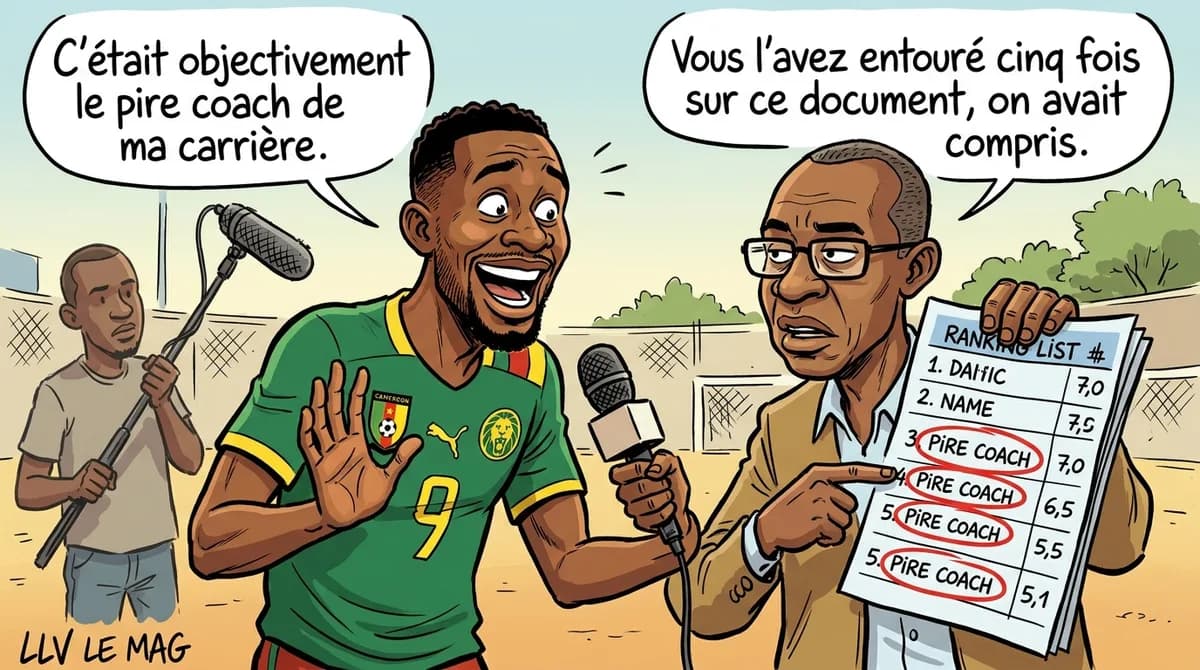
Karl Toko Ekambi, who lived through the campaign, called Clarence Seedorf “the worst coach of my career”. For the young striker, the criticism goes beyond tactics; it reflects a wholly disappointing experience. “It wasn’t just the worst as a coach, but the worst overall experience,” he said, highlighting the lack of coherence and the break with the momentum established by Broos.
Why the fiasco? The abrupt shift from a Belgian coach to a Dutch duo created a cultural and tactical shock. Players accustomed to Broos’s methods were faced with different demands, without sufficient time to adjust. The loss of continuity weakened squad cohesion, while the pressure to defend the title amplified tensions. The result: a campaign that left the nation searching for answers and the federation under fire.
For Cameroonian fans, the lesson is clear: stability and local knowledge remain essential pillars of success. The Seedorf‑Kluivert debacle shows that a glittering playing résumé does not guarantee a smooth transition to national‑team management. FECAFOOT must now rethink its appointment criteria, prioritising continuity and cultural adaptation to deliver future campaigns that meet the expectations of a passionate nation.